Being a people-pleaser often begins as a desire to help, to be seen as kind, dependable, and cooperative. Yet this desire can slowly transform into a trap—one that ties self-worth to the approval of others. In the workplace, the people-pleaser is the person who cannot say no, who always volunteers for extra work, and who measures their value by how useful they are to the group. Despite their efforts, they are rarely appreciated, often becoming invisible or taken for granted.
The roots of this behavior usually reach back to childhood. From an early age, children learn that being “good” or “bad” depends on the emotional reactions of the adults around them. When being helpful and compliant earns affection and attention, that pattern becomes deeply ingrained. As adults, these early lessons evolve into a belief that one’s worth is defined by how much others approve or need them. The result is an endless cycle of seeking validation through service, at the cost of personal boundaries and emotional balance.
Breaking free from this pattern requires confronting the anxiety that drives it. For many, the thought of not pleasing others provokes deep discomfort—if they are not the helpful one, will they still matter? Learning to put oneself first begins by questioning motives: “Why am I doing this?” and “Who is this really for?” There is nothing wrong with being kind or cooperative, but when those actions come from fear of rejection rather than genuine choice, they stop being healthy.
Learning to say no is a vital skill. Practicing refusal, even in imagined situations, helps reveal the emotions that surface—guilt, shame, or fear of disapproval. Instead of burying those feelings, sitting with them allows understanding and growth. Each time a person resists the automatic “yes,” they reclaim a small part of their independence. Over time, the discomfort fades and is replaced by a sense of control and self-respect.
Another important realization is that self-worth is not dependent on how others see us. It is natural for relationships to involve mixed emotions—others will not always feel positively toward us, just as we cannot always be pleased with them. Accepting this ambivalence is part of emotional maturity. Likewise, understanding that disappointment is inevitable in human relationships allows us to connect more authentically. To never disappoint or be disappointed is to live without real connection or honesty.
The fantasy of the perfect workplace—where everyone is kind, cheerful, and endlessly supportive—does not exist. Real workplaces, like real families, are filled with differing moods, frustrations, and imperfections. Constantly striving to maintain harmony through self-sacrifice drains energy and erodes confidence. True teamwork does not come from pleasing everyone but from being honest, setting limits, and respecting both personal and collective boundaries.
Ultimately, the path away from people-pleasing is not about becoming unkind or unhelpful. It is about reclaiming the right to make choices that honor one’s own needs as much as others’. Saying no does not mean being selfish; it means recognizing that kindness has no value when it is forced or fearful. By letting go of the compulsion to please, a person creates space for authenticity, confidence, and genuine respect—both from themselves and from those around them.
Trauma-informed social work practice is an approach to social work that takes into account the impact of trauma on the lives of individuals, families, and communities. This approach recognizes that trauma can have long-term effects on a person’s mental health, physical health, and well-being, and that individuals who have experienced trauma require specialized care and support.
The goal of trauma-informed social work practice is to create a safe and supportive environment for individuals who have experienced trauma. This approach emphasizes the importance of building trust and collaboration with clients, as well as empowering clients to make decisions about their own care. Trauma-informed social work practice also recognizes the role that societal and institutional trauma can play in the lives of individuals, and seeks to create change at a systemic level.
One of the key principles of trauma-informed social work practice is understanding the prevalence of trauma. Research has shown that a significant percentage of the population has experienced some form of trauma in their lives. This trauma can range from individual experiences, such as physical or sexual abuse, to collective experiences, such as discrimination or systemic oppression. Understanding the prevalence of trauma is essential in creating an environment that is sensitive to the needs of individuals who have experienced trauma.
Another principle of trauma-informed social work practice is the importance of safety. Trauma can create feelings of fear, anxiety, and vulnerability, which can make it difficult for individuals to engage in social work services. Trauma-informed social work practice emphasizes the importance of creating a safe environment for clients, both physically and emotionally. This may involve providing privacy and confidentiality, ensuring that clients have control over their own care, and creating a space that is calm and welcoming.
Trauma-informed social work practice also emphasizes the importance of empowerment. Clients who have experienced trauma often feel disempowered and may have difficulty trusting others. Trauma-informed social work practice seeks to empower clients by providing them with information, support, and tools to help them make decisions about their own care. This may involve working collaboratively with clients, recognizing their strengths and resources, and supporting them in setting goals that are meaningful to them.
Cultural humility is also a key aspect of trauma-informed social work practice. Social workers must recognize the ways in which cultural differences can impact the experience of trauma, as well as the ways in which cultural beliefs and practices can be a source of strength and resilience. Cultural humility involves recognizing one’s own cultural biases and limitations, and working to create a culturally responsive and inclusive environment for clients.
Finally, trauma-informed social work practice recognizes the importance of collaboration and partnership. Addressing the impact of trauma requires a multidisciplinary approach, and social workers must work collaboratively with other professionals, such as mental health providers, medical professionals, and educators. Trauma-informed social work practice also recognizes the importance of community partnerships, and seeks to create partnerships with community organizations and leaders to create a more supportive and responsive environment for individuals who have experienced trauma.
In conclusion, trauma-informed social work practice is an approach to social work that recognizes the impact of trauma on the lives of individuals, families, and communities. It emphasizes the importance of understanding the prevalence of trauma, creating a safe and empowering environment for clients, practicing cultural humility, and collaborating with other professionals and community partners. By adopting a trauma-informed approach, social workers can provide more effective care and support to individuals who have experienced trauma, and contribute to creating a more just and equitable society.
Loss and bereavement are universal human experiences that have been the subject of study and research for many years. Theories of loss and bereavement have been developed to help us understand the various psychological and emotional processes that individuals go through when they experience a loss. This essay will explore some of the key theories of loss and bereavement, and their applications in social work practice.
One of the most well-known theories of loss and bereavement is the Kübler-Ross model, also known as the five stages of grief. Developed by psychiatrist Elisabeth Kübler-Ross, the model proposes that individuals go through five stages of grief: denial, anger, bargaining, depression, and acceptance. While the model has been criticized for being too rigid and not taking into account individual differences in grieving, it remains a widely used framework for understanding the emotional and psychological processes that individuals go through when they experience a loss.
Another important theory of loss and bereavement is the dual process model, developed by Margaret Stroebe and Henk Schut. The dual process model proposes that individuals oscillate between two types of coping strategies: loss-oriented coping and restoration-oriented coping. Loss-oriented coping involves dealing directly with the loss, while restoration-oriented coping involves focusing on other aspects of life, such as work or hobbies. The model emphasizes the importance of balancing these two types of coping strategies, and recognizes that individuals may move back and forth between them as they work through their grief.
Attachment theory, developed by John Bowlby, has also been applied to the study of loss and bereavement. Attachment theory proposes that humans have a natural tendency to form close bonds with others, and that these bonds are essential for our emotional well-being. When an attachment figure is lost, individuals may experience intense feelings of grief and distress. Social workers who work with individuals who have experienced a loss may use attachment theory to understand the significance of the lost attachment figure, and to help individuals work through their grief by developing new attachments and social supports.
Finally, the meaning-making model, developed by Robert Neimeyer, emphasizes the importance of making sense of loss and finding meaning in the experience. The model proposes that individuals can find meaning in loss by engaging in activities such as writing or talking about their experiences, creating rituals or memorials, or finding ways to give back to others who have experienced a similar loss. Social workers who work with individuals who have experienced a loss may use the meaning-making model to help individuals find ways to make sense of their loss and to find meaning in their experiences.
In conclusion, loss and bereavement theories provide social workers with valuable frameworks for understanding the emotional and psychological processes that individuals go through when they experience a loss. By understanding these theories and their applications in practice, social workers can better support individuals who have experienced a loss and help them work through their grief in a healthy and meaningful way.
The KcVETS model outlined in the framework is a carefully constructed practice framework designed to guide and enhance social work practice. Rooted in the core components of co-produced knowledge and research (Kc), social work values and ethics (V), social work theories and methods (T), practice skills (S), and the practitioner’s experience (E), the model seeks to provide a comprehensive and integrated approach to professional practice. Unlike traditional models that might emphasize one element over others, KcVETS encourages a balanced and interconnected view, recognizing that effective social work practice emerges from the dynamic interplay of these elements. This holistic framework aims to build reflective, ethical, and skilled practitioners who can navigate the complexities of social work in diverse contexts.
Central to the KcVETS model is the emphasis on co-produced knowledge and research (Kc). This component underscores the importance of collaborative knowledge generation, involving service users, practitioners, researchers, and other stakeholders. By engaging in co-production, social workers can ensure that their practice is informed by a diverse range of perspectives, lived experiences, and evidence-based insights. This collaborative approach enhances the relevance, inclusivity, and effectiveness of social work interventions, while also promoting a sense of shared ownership and mutual respect.
The second key element of the KcVETS model is social work values and ethics (V). This component highlights the foundational role of values and ethics in guiding social work practice. Social workers are expected to uphold principles such as respect, dignity, social justice, and human rights, and to act in accordance with professional codes of ethics. By integrating values and ethics into every aspect of their practice, social workers can ensure that their actions are aligned with the core mission of social work, which is to promote well-being, address inequalities, and empower individuals, families, and communities.
The third component of the KcVETS model is social work theories and methods (T). This element emphasizes the importance of theoretical knowledge and methodological expertise in shaping social work practice. Theories provide a framework for understanding human behavior, social systems, and the structural factors that influence well-being, while methods offer practical tools and techniques for intervention. By drawing on a range of theories and methods, social workers can adopt a flexible and evidence-informed approach to practice, tailoring their interventions to the unique needs, strengths, and circumstances of each individual or group.
Practice skills (S) constitute the fourth key element of the KcVETS model. This component focuses on the practical skills that social workers need to engage effectively with service users, build trusting relationships, and facilitate positive change. These skills include communication, active listening, empathy, problem-solving, advocacy, and conflict resolution, among others. The KcVETS model encourages social workers to continuously develop and refine their practice skills through ongoing professional development, supervision, and reflective practice. By enhancing their skills and competencies, social workers can increase their effectiveness, confidence, and capacity to respond to complex and challenging situations.
The fifth and final component of the KcVETS model is the practitioner’s experience (E). This element recognizes the critical role of the practitioner’s own experiences, insights, and reflections in shaping their practice. Social workers bring with them a wealth of personal and professional experiences that influence how they understand and respond to the needs of service users. The KcVETS model encourages practitioners to engage in reflective practice, which involves critically examining their own assumptions, biases, and experiences, and considering how these may impact their practice. By engaging in reflection, practitioners can enhance their self-awareness, improve their decision-making, and ensure that their practice remains ethical, person-centered, and responsive to the diverse needs of service users.
Social work and strengths-based practice are central to the KcVETS framework, which draws on the foundational principles of strengths-based social work. This approach emphasizes the importance of recognizing and building on the inherent strengths, capacities, and resources of individuals, families, and communities. Rather than focusing solely on problems, deficits, or pathologies, strengths-based practice seeks to identify and enhance the positive attributes and potential that service users possess. This perspective fosters hope, resilience, and self-determination, and it is closely aligned with the core values and ethics of social work, such as respect, dignity, and empowerment.
The KcVETS model also incorporates perspectives from experts by experience, or people who use services. These individuals bring valuable lived experiences and insights that can enhance the relevance, effectiveness, and inclusivity of social work practice. By involving service users as active partners in the design, delivery, and evaluation of services, the KcVETS model promotes co-production, mutual respect, and shared decision-making. This participatory approach helps to ensure that services are responsive to the diverse needs, preferences, and aspirations of those they serve.
The evidence base for strengths-based social work practice is growing, with research demonstrating its positive impact on a range of outcomes, including well-being, resilience, social inclusion, and empowerment. Studies have shown that strengths-based interventions can enhance service users’ confidence, motivation, and sense of agency, while also improving relationships, reducing dependency, and promoting sustainable change. By drawing on this evidence base, the KcVETS model provides a robust and evidence-informed framework for guiding practice.
A case study can illustrate how the KcVETS model can be applied in practice. For example, a social worker using the KcVETS framework might work with a family experiencing challenges related to housing instability, financial stress, and mental health issues. Rather than focusing solely on the family’s problems, the social worker would begin by identifying the family’s strengths, such as their resilience, support networks, and problem-solving skills. The social worker would then collaborate with the family to set goals, develop a strengths-based action plan, and access resources and support. By adopting a holistic, person-centered, and strengths-based approach, the social worker can help the family to build on their existing strengths, overcome challenges, and achieve positive outcomes.
Restorative practice is another key aspect of the KcVETS model. This approach emphasizes the importance of repairing harm, restoring relationships, and promoting accountability, respect, and mutual understanding. Restorative practice can be particularly effective in addressing conflict, fostering social cohesion, and building trust within families, communities, and organizations. By incorporating restorative principles and techniques, the KcVETS model seeks to create a more inclusive, respectful, and supportive environment for service users and practitioners alike.
To enable and support strengths-based social work practice, several key factors are needed. These include strong leadership, supportive organizational cultures, effective supervision, access to training and professional development, and adequate resources and infrastructure. By creating an enabling environment that supports reflective practice, continuous learning, and collaboration, organizations can enhance the capacity of social workers to deliver high-quality, strengths-based services.
The next steps for strengthening the implementation of the KcVETS model include ongoing research, evaluation, and dissemination of best practices. By continuing to build the evidence base, share learning, and promote innovation, the social work profession can enhance its ability to respond to the diverse and evolving needs of service users. Additionally, efforts should be made to strengthen partnerships, enhance co-production, and promote the wider adoption of strengths-based approaches across different sectors and settings.
In summary, the KcVETS model represents a comprehensive, integrated, and strengths-based approach to social work practice. By focusing on co-produced knowledge and research, social work values and ethics, social work theories and methods, practice skills, and the practitioner’s experience, the model provides a holistic framework for guiding professional practice, enhancing effectiveness, and achieving positive outcomes. Through its emphasis on integration, continuous learning, collaboration, and reflective practice, the KcVETS model offers a robust and adaptable framework for social work practitioners seeking to navigate the complexities and challenges of contemporary social work practice.
Social workers often encounter individuals whose lives have been deeply impacted by trauma. These experiences, whether occurring in childhood or adulthood, shape fundamental beliefs about safety, trust, and personal worth. Trauma-informed care (TIC) is a revolutionary approach that integrates an understanding of trauma’s effects into all aspects of service delivery. Rather than treating symptoms in isolation, TIC acknowledges that behaviors often emerge as coping mechanisms in response to adverse experiences. This holistic approach not only strengthens the therapeutic alliance between social workers and clients but also fosters posttraumatic growth. It allows clients to feel understood and validated in ways that traditional methods might overlook, recognizing that many issues stem from deeply ingrained patterns developed in response to past distress. By shifting the focus from pathology to resilience, TIC empowers individuals to see themselves as survivors rather than victims, reinforcing their ability to heal and build meaningful, supportive relationships.
Understanding Trauma and Its Prevalence
Trauma is broadly defined as exposure to extraordinary experiences that create physical or psychological threats, inducing feelings of helplessness and fear. It can stem from a variety of sources, including criminal victimization, accidents, natural disasters, war, community violence, and familial dysfunction. Research underscores that early childhood trauma, often categorized under Adverse Childhood Experiences (ACEs), carries particularly profound and lasting consequences. A large-scale study conducted by the Kaiser Permanente Health System found that nearly two-thirds of adults had encountered at least one form of childhood maltreatment or household dysfunction. Among clinical and disadvantaged populations, the prevalence of ACEs is even higher, contributing to significant medical, mental health, and behavioral challenges later in life. These challenges manifest in myriad ways, including chronic illness, anxiety disorders, substance abuse, and an inability to maintain stable employment or relationships. Individuals who experience multiple ACEs often struggle with a heightened stress response, making it difficult for them to regulate emotions, trust others, or engage in healthy coping mechanisms. Over time, these unaddressed traumas can lead to a cycle of dysfunction that spans generations, emphasizing the need for early intervention and trauma-sensitive approaches in all areas of social work practice.
The neurological implications of trauma are extensive. Chronic stress leads to hyperarousal, increased production of stress-related neurochemicals, and inhibited neural connectivity. Over time, this alters emotional regulation, social attachment, impulse control, and cognitive processing. The fight-flight-freeze response, which is biologically adaptive in immediate survival situations, becomes maladaptive when chronically activated. These long-term effects help explain why trauma survivors often struggle with impulse control, addiction, mental health disorders, and unstable relationships. Understanding these biological responses is crucial for social workers, as it allows them to approach clients with empathy and insight into their behaviors rather than judgment. By recognizing that many clients are not deliberately engaging in self-destructive patterns but are instead responding to deeply wired survival instincts, practitioners can implement strategies that support healing rather than reinforce negative cycles. Additionally, the ability of the brain to rewire itself through neuroplasticity offers hope that, with the right interventions, individuals can rebuild healthier coping mechanisms and regain a sense of control over their lives.
The Core Principles of Trauma-Informed Care
Trauma-informed care is not a specific therapeutic technique but rather an overarching framework that guides service delivery. The goal is to create environments that foster healing rather than inadvertently retraumatizing clients. This approach is rooted in five core principles: safety, trust, choice, collaboration, and empowerment. These principles provide a foundation for ensuring that clients feel respected, heard, and supported throughout their healing journey. By embedding these values into all interactions, social workers can create an atmosphere where individuals feel safe enough to explore their past traumas without fear of judgment or further harm. This approach recognizes that healing is not linear and that individuals need time and consistent support to unlearn deeply ingrained patterns of fear, avoidance, and self-doubt. Through patience and understanding, practitioners can help clients gradually rebuild their sense of self and navigate their way toward healthier, more fulfilling lives.
Safety
Both physical and psychological safety are paramount in trauma-informed practice. Social workers must create environments that feel secure and welcoming. Simple adjustments, such as warm interactions with office staff, adequate lighting, and clear boundaries, contribute to a sense of stability. Clients who have experienced trauma often struggle with hypervigilance, perceiving potential threats even in benign situations. Ensuring predictability and consistency in interactions helps counteract these fears. Establishing respectful language and professional boundaries further reinforces the message that the social worker’s role is to support, not to exert coercive control. Creating safety also involves understanding the unique needs of each client, recognizing triggers that may cause distress, and working collaboratively to establish coping strategies. This may include offering private meeting spaces, ensuring culturally sensitive practices, and providing opportunities for clients to set their own pace in therapeutic discussions. The goal is to foster a sense of empowerment, where individuals feel secure enough to explore their experiences without fear of retraumatization or dismissal.
Trust
Trust is the foundation of all therapeutic relationships, yet it is often compromised in trauma survivors due to past experiences of betrayal and manipulation. Building trust requires transparency, reliability, and genuine engagement. Social workers should clearly communicate expectations, policies, and confidentiality guidelines to reduce anxiety stemming from unpredictability. Trust is cultivated over time through small, consistent acts of reliability and validation. A simple demonstration of understanding—such as recognizing when a client is struggling without forcing immediate disclosure—can significantly strengthen the therapeutic alliance. When clients feel that their experiences are acknowledged and that they are not being rushed or judged, they are more likely to engage in the process and develop a sense of security within the therapeutic space.
Choice
Choice is a fundamental principle of trauma-informed care, as it seeks to restore a sense of agency that trauma survivors may have lost due to past adverse experiences. Many individuals with trauma histories have faced environments where they had little control over their circumstances, which can lead to feelings of powerlessness and anxiety when making decisions. By incorporating choice into service delivery, social workers enable clients to have a voice in their own healing process. This can include allowing them to decide which therapeutic approaches they prefer, selecting appointment times that suit their needs, or choosing the pace at which they share their experiences. Providing opportunities for informed decision-making helps clients build confidence, reduce resistance, and enhance engagement in their treatment. Social workers can further support choice by validating client preferences, respecting boundaries, and encouraging autonomy, all of which contribute to increased self-efficacy and long-term well-being.
Collaboration
Collaboration is a key component of trauma-informed care, ensuring that the therapeutic process is a partnership rather than a hierarchical dynamic. Many trauma survivors have experienced relationships where power was wielded against them, leading to deep-seated distrust of authority figures. By working collaboratively, social workers reinforce a sense of mutual respect, shared decision-making, and empowerment. Clients should feel actively involved in setting goals, developing strategies, and determining the direction of their care. Encouraging open dialogue, seeking client input, and respecting their insights foster a sense of agency and investment in their healing journey. Collaboration extends beyond the client-worker relationship, often involving coordination with other professionals, family members, and support networks to create a holistic and sustainable healing environment. When social workers emphasize collaboration, they help clients regain control over their lives and build meaningful connections that support long-term recovery.
Empowerment
Empowerment is an essential component of trauma-informed care, as it helps clients reclaim their sense of self and control over their lives. Many trauma survivors experience a profound sense of helplessness, feeling that they lack the ability to influence their circumstances. Social workers play a vital role in reversing this narrative by recognizing and reinforcing clients’ inherent strengths. By providing opportunities for individuals to develop self-efficacy and resilience, social workers help clients rebuild their confidence and assert control over their own healing process. Encouraging self-advocacy, offering skill-building exercises, and celebrating progress—no matter how small—can make a significant difference in a client’s ability to move forward.
Applying Trauma-Informed Principles to Social Work Practice
Integrating trauma-informed principles into social work practice requires a commitment to understanding and responding to the lasting impact of trauma. This means adopting a client-centered approach that prioritizes safety, empowerment, and collaboration. Social workers must continually educate themselves on best practices for working with trauma survivors, ensuring that they offer services that are culturally responsive and attuned to individual needs. It is also critical to advocate for systemic changes that promote trauma-informed policies within organizations, ensuring that all aspects of service delivery align with these principles. By implementing TIC across all levels of practice, social workers can help clients break cycles of trauma and build pathways toward recovery and stability.
Forensic social work has emerged as a critical and highly specialized domain, responding to the intersections of social work, mental health, and legal systems. As societal challenges such as mental illness, criminal behavior, and systemic disadvantages intertwine, this field emphasizes the need for specialized education to prepare practitioners for its complexity. A case study from Australia, published in 2016, sheds light on this vital practice area by evaluating forensic social work education and its impact on professionals working within these contested spaces.
The practice of forensic social work is deeply rooted in addressing the needs of marginalized individuals. These populations often grapple with poverty, substance abuse, mental illness, and involvement with the legal system, reflecting broader societal inequities. This context has reshaped criminality narratives, moving beyond “bad conduct” to exploring environmental and psychological factors. This shift underscores the rising demand for social workers equipped to navigate the nexus of mental health and justice systems. Forensic social work is not limited to corrections or mental health institutions; its scope extends to child protection, disability services, and addiction rehabilitation, encompassing all fields requiring navigation of nonvoluntary systems.
The origins of forensic social work in Australia align with its emphasis on advocating for vulnerable populations. The field evolved from working with incarcerated individuals and juvenile delinquents to addressing broader psychosocial issues within legal frameworks. Practitioners assess risk, recommend rehabilitation, and advocate for client well-being in a legal context that often prioritizes control over empowerment. They challenge misconceptions that equate mental illness with criminality, advocating for nuanced understandings of risk and individual circumstances.
Specialized Education and Its Role in Forensic Practice
Education is a cornerstone in preparing social workers for the complexities of forensic practice. The Monash University Master of Social Work (Forensic Studies) program, introduced in 2010, offers a case study in bridging generic social work skills with forensic-specific knowledge. This graduate program equips social workers with a deep understanding of legal systems, risk assessment, and mental health frameworks. It emphasizes integrating social work values, such as individual dignity and self-determination, into the legal and mental health systems that often dominate forensic contexts.
Study participants—social workers employed by the Victorian Institute of Forensic Mental Health (Forensicare)—highlighted the unique demands of their roles. Forensicare provides services to mentally ill offenders in secure facilities and community settings, as well as assessments for courts. These practitioners stressed that their work requires a distinct skill set, blending traditional social work practices with an acute awareness of legal structures and mental health systems. Their roles often involve advocating for clients in adversarial environments, balancing the rights of individuals with community safety.
The findings revealed that forensic social workers consider their practice to be highly specialized due to its focus on legal issues, statutory guidelines, and the integration of mental health and criminal justice concerns. This specialization requires practitioners to address complex client needs, including stigma, marginalization, and systemic challenges. They must develop strong advocacy skills and maintain collaborative relationships with external agencies, all while navigating the constraints of legal and medical models.
Challenges and Skills in Forensic Social Work
Forensic social work is characterized by its focus on risk assessment, advocacy, and addressing the unique needs of clients. Practitioners must be adept at understanding the legal and psychological factors influencing their clients while maintaining a strengths-based perspective. Study participants emphasized the importance of recognizing clients’ individuality and respecting their voices, even in the context of significant constraints. This approach often contrasts with the deficit-focused models prevalent in legal and medical systems.
The practice of forensic social work is not without its challenges. Practitioners must navigate conflicting priorities, such as advocating for clients while addressing community safety concerns. They are also tasked with bridging gaps between different professional perspectives, such as those of lawyers and medical practitioners, to ensure holistic client care. Participants in the study noted that these challenges require a high level of specialized knowledge, particularly in areas such as mental health, substance abuse, trauma, and legal frameworks.
The Utility of Advanced Forensic Social Work Education
The Monash University program was widely praised for its ability to prepare social workers for the realities of forensic practice. Study participants highlighted the program’s focus on practical applications, such as risk assessment and case management, as well as its emphasis on interdisciplinary collaboration. They also identified areas for improvement, including greater attention to cultural competency, intellectual disabilities, and community development. These additions would enhance the program’s ability to address the diverse needs of forensic clients.
The introduction of specialized education programs like the Master of Social Work (Forensic Studies) marks a significant step forward in recognizing forensic social work as a distinct and essential practice area. These programs not only provide social workers with the tools they need to navigate complex systems but also elevate the profession by acknowledging the unique contributions of forensic practitioners.
Conclusion
The study underscores the critical role of forensic social work in addressing the intersections of mental health, criminal justice, and systemic inequities. It highlights the importance of specialized education in equipping practitioners to navigate these challenges while maintaining core social work values. As the demand for forensic social work continues to grow, the development of advanced educational programs will be essential in preparing social workers to advocate for vulnerable populations and influence systemic change.
The cultivation of a professional identity among social work students represents a critical aspect of their educational journey, one that extends beyond the acquisition of theoretical knowledge and practical skills. It involves a deep, introspective process that integrates personal values, experiences, and beliefs with the core principles of the social work profession. In this context, reflective journaling emerges as a transformative pedagogical tool, enabling students to bridge the gap between personal introspection and professional practice. Einav Segev’s qualitative phenomenological study, conducted with final-year Israeli undergraduate social work students, delves into the multifaceted role of journaling in fostering this professional identity. Through thematic analysis of the students’ reflective journals, the study uncovers the profound ways in which journaling shapes their professional development, providing invaluable insights into its pedagogical significance.
Social work education is designed to prepare students for the complexities of professional practice, equipping them with the ability to navigate interpersonal relationships, address societal inequities, and advocate for vulnerable populations. This preparation necessitates not only the transmission of knowledge and skills but also the cultivation of self-awareness, critical thinking, and reflective capacities. Reflective journaling, as highlighted in Segev’s study, serves as a pivotal medium for this transformative learning process. Despite the extensive literature documenting the benefits of journaling in educational contexts, its specific role in shaping the professional identity of social work students has received comparatively less attention. Segev’s research addresses this gap, focusing on how journaling facilitates the integration of personal experiences with professional knowledge, the internalization of social work values, and the emotional processing essential for effective practice.
At the core of Segev’s findings is the observation that journaling allows students to use their personal experiences as a foundation for constructing their professional identities. This process involves a dynamic interplay between personal and professional dimensions, wherein students reflect on their own life experiences and relate them to the challenges and scenarios they encounter in their training. For instance, students often drew parallels between their personal relationships and their interactions with clients, using these insights to develop empathy and a deeper understanding of their clients’ perspectives. One participant reflected on her experience of ambivalence in her personal relationships, noting how it enabled her to connect with clients facing similar struggles. Such reflections underscore the transformative potential of journaling, as students begin to see their personal narratives not as separate from but as integral to their professional growth.
This integration of personal and professional realms aligns with transformative learning theory, which posits that critical reflection on prior assumptions and experiences fosters profound changes in perspective. Journaling provides a structured yet flexible space for students to engage in this reflective process, allowing them to reconcile their past experiences with their emerging professional identities. For example, students who had previously been clients in therapeutic settings often wrote about how these experiences shaped their understanding of the therapeutic process, enhancing their ability to empathize with and support their future clients. This reflective practice not only deepened their self-awareness but also reinforced their commitment to the principles of social work, such as compassion, respect for diversity, and the pursuit of social justice.
Another significant theme identified in Segev’s study is the role of journaling in helping students acquire and internalize professional concepts and skills. Social work education often emphasizes the importance of linking theoretical knowledge to practical application, a process that can be challenging for students navigating the complexities of fieldwork. Journaling facilitates this connection by providing a platform for students to reflect on the theories and techniques introduced in their coursework and to consider how these can be applied in real-world contexts. Many students described how writing in their journals helped them clarify abstract concepts, such as motivational interviewing or the use of metaphors in therapy, and adapt these to their practical experiences. One student wrote about how the principle of “flowing with resistance” resonated with her, enabling her to approach client interactions with greater empathy and flexibility.
In addition to fostering the integration of theory and practice, journaling serves as a retrospective tool for professional reflection. Segev’s study highlights how students used their journals to revisit past professional encounters, particularly those that had been challenging or emotionally taxing. This retrospective reflection allowed them to gain new insights into their actions, identify areas for improvement, and derive valuable lessons for future practice. For instance, one participant described how revisiting a past client interaction helped her recognize missed opportunities for intervention and develop a more nuanced understanding of the client’s behavior. Such reflections not only enhanced the students’ critical thinking skills but also instilled a sense of professional growth and self-compassion. By acknowledging and learning from their mistakes, students were able to view these experiences as integral to their development as competent and reflective practitioners.
The emotional dimension of journaling, as revealed in Segev’s study, is perhaps its most profound and transformative aspect. Journaling provides a safe and resonant space for students to process the intense emotions that often accompany their education and training. Many participants described their journals as a “mirror,” reflecting their internal struggles, fears, and aspirations. This safe space allowed them to articulate and explore feelings that might have been difficult to express in other contexts, such as the classroom or supervision sessions. For example, one student wrote about the overwhelming emotions she experienced during a classroom exercise, how journaling helped her process these feelings and regain her sense of balance. Others used their journals to confront self-doubt and fear, finding solace and encouragement in the act of writing.
The therapeutic potential of journaling is further exemplified by its role in fostering self-awareness and emotional resilience. As students reflected on their experiences, they gained a deeper understanding of their emotional responses and the factors influencing their behavior. This self-awareness, in turn, enabled them to develop strategies for managing stress and maintaining their well-being, both of which are crucial for sustaining a career in social work. One participant eloquently described journaling as “solving a jigsaw puzzle,” a process of piecing together fragments of personal and professional experiences to create a coherent and meaningful whole. Through this process, students not only prepared themselves for the emotional demands of social work but also cultivated a sense of agency and confidence in their ability to navigate these challenges.
The implications of Segev’s findings for social work education are far-reaching. By incorporating reflective journaling into the curriculum, educators can create a supportive and transformative learning environment that fosters the holistic development of their students. Journaling serves as a bridge between academic learning and professional practice, enabling students to integrate theoretical knowledge with practical skills, reflect on their personal and professional experiences, and develop the emotional resilience necessary for effective practice. Moreover, journaling encourages students to take ownership of their learning, positioning them as active participants in their professional development rather than passive recipients of knowledge.
However, Segev’s study also highlights several limitations and areas for further research. The study’s focus on a single course and its reliance on a relatively small and culturally homogeneous sample of participants suggest the need for broader investigations into the role of journaling in social work education. Future research could explore the experiences of students from diverse cultural backgrounds and educational contexts, as well as the long-term impact of journaling on their professional identity and practice. Additionally, integrating other research methods, such as interviews and focus groups, could provide a more comprehensive understanding of the benefits and challenges associated with journaling.
In conclusion, reflective journaling emerges from Segev’s study as a powerful and multifaceted tool for social work education. By facilitating the integration of personal experiences with professional knowledge, fostering the internalization of social work values, and providing a safe space for emotional processing, journaling supports students in their journey toward becoming compassionate, competent, and reflective practitioners. As the challenges facing the social work profession continue to evolve, the importance of cultivating such qualities in future practitioners cannot be overstated. Through the simple yet profound act of writing, social work students can embark on a transformative journey of self-discovery and professional growth, preparing them to meet the demands of their field with empathy, resilience, and confidence.
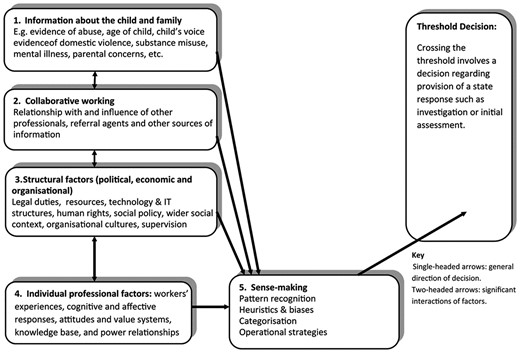
Decision-making forms a cornerstone of social work, often defined by its complexity and the necessity to navigate incomplete or conflicting information. Social workers frequently face the challenge of determining whether a situation demands intervention or meets criteria for service provision. These critical moments of judgment, often referred to as “threshold decisions,” require an intricate balancing of evidence, context, and professional judgment. This article explores the concept of threshold decisions in social work, using theoretical frameworks to deepen understanding and improve practice.
At its core, a threshold decision is a binary judgment, determining whether a case crosses a predefined line or level, such as the need for protective intervention or eligibility for services. These judgments are rarely made in isolation; they form part of a broader assessment process that involves gathering information, interpreting evidence, and aligning actions with legislative, policy, and cultural standards. The stakes are high, as these decisions often have life-altering implications for individuals, families, and communities. Transparency and consistency are crucial, ensuring accountability and fostering public trust.
Common examples of decision making at a threshold in social work are such as:
compulsory intervention regarding child protection or safeguarding vulnerable adults;
mental health emergencies and risk levels;
eligibility for a support service, and managing needs or risk within services;
need or risk factors on discharge from hospital;
criminal justice decisions regarding prison discharge or risk;
whether or not to offer a (non-mandatory) protective service;
whether action is required by the service regulator in relation to standards of practice;
entry into and transfers between services.
Threshold judgments are deeply influenced by shifting societal norms, political pressures, and resource constraints. For instance, in child welfare, the concept of “significant harm” hinges on subjective interpretations of “good enough parenting,” which vary across cultures and contexts. Similarly, in other areas like mental health or elder care, decisions are shaped by dynamic definitions of risk and need. The variability and subjectivity inherent in these decisions highlight the need for theoretical frameworks that provide clarity and structure.
Two key theoretical models illuminate the decision-making process in social work: signal detection theory and evidence accumulation theory. Signal detection theory, initially applied in fields like psychology and medicine, helps practitioners distinguish meaningful “signals” from background “noise.” In social work, this might involve identifying indicators of child abuse amidst a plethora of unrelated information. The theory emphasizes that thresholds are not static; they are influenced by individual and organizational factors, including past experiences, values, and societal expectations. Evidence accumulation theory, on the other hand, conceptualizes decision-making as a process of gathering and evaluating information until a “tipping point” is reached. This approach underscores the cumulative nature of risk assessment, where new evidence can shift the balance and trigger action.
While these models provide valuable insights, they do not fully address the sense-making process that underpins threshold judgments. Naturalistic decision-making (NDM) and heuristic approaches offer complementary perspectives. NDM focuses on how practitioners make decisions in real-world contexts characterized by complexity, time pressure, and high stakes. It emphasizes the role of intuition, experience, and mental shortcuts in navigating uncertainty. Heuristic models, derived from the concept of bounded rationality, highlight the use of simple rules or cognitive shortcuts to manage information overload and make efficient decisions. These approaches recognize the human element in decision-making, acknowledging both its strengths and vulnerabilities.
The interplay between these models reveals the multifaceted nature of threshold decisions. Signal detection and evidence accumulation theories provide a foundation for understanding how evidence is evaluated, while NDM and heuristic approaches offer insights into the cognitive and contextual factors that shape judgments. Integrating these perspectives can enhance our understanding of social work practice, enabling practitioners to navigate the complexities of threshold decisions with greater confidence and effectiveness.
The implications for practice are significant. Understanding the theoretical underpinnings of threshold decisions can improve the transparency and defensibility of judgments, fostering greater accountability and public trust. It also highlights the importance of continuous professional development, enabling social workers to refine their decision-making skills through reflection and learning. Moreover, the integration of theory into practice can inform the development of decision-support tools and training programs, enhancing the overall quality of social work services.
In conclusion, threshold decisions in social work represent a critical juncture where evidence, judgment, and context converge. By exploring theoretical frameworks such as signal detection theory, evidence accumulation theory, NDM, and heuristics, this article provides a comprehensive understanding of these decisions and their implications for practice. As social work continues to evolve in response to societal and technological changes, these insights offer a valuable foundation for advancing professional judgment and improving outcomes for those served by the profession.
The imprisonment of mothers is a multifaceted issue that leaves profound and enduring effects on family structures, relationships, and individual emotional well-being. Sophie Mitchell’s research explores the complexities of this phenomenon, examining the far-reaching consequences of maternal incarceration on children, kinship carers, and the broader family unit. By focusing on relational trauma—a disruption in familial bonds caused by separation and societal stigma—Mitchell sheds light on the hidden struggles faced by these families. This work not only highlights the depth of these impacts but also challenges current criminal justice practices, advocating for more compassionate and relationship-centered solutions.
The rising debate around female imprisonment questions its necessity and the disproportionate harm it causes. Unlike the incarceration of men, the imprisonment of women, especially mothers, disrupts family units in ways that often cannot be repaired. In many cases, women are imprisoned for non-violent or minor offenses, yet the punitive effects are amplified by the emotional and practical upheaval experienced by their children and relatives. Mitchell’s work positions these relational damages as a central issue that policymakers must address when considering the sentencing and rehabilitation of mothers.
Relational theory serves as a foundation for understanding how maternal imprisonment causes harm. This theory suggests that women’s sense of self is deeply intertwined with their relationships. Unlike men, whose social structures often remain intact during imprisonment, women experience profound disruptions to their familial connections. This severance creates what Mitchell terms “relational trauma,” a form of emotional and psychological harm stemming from broken bonds with children, kinship carers, and extended family members. Such trauma is not confined to the incarcerated mothers but radiates outward, affecting generations and perpetuating cycles of emotional distress and social disadvantage.
A central theme of this research is the unique impact on children, who are often the most vulnerable victims of maternal incarceration. While paternal imprisonment typically allows children to remain in the care of their mothers, only a small fraction—around 5%—of children stay in their family homes when their mothers are imprisoned. Most are placed with grandmothers, other female relatives, or into state care. This sudden displacement uproots their lives, causing significant emotional and psychological challenges. The lack of stability, combined with the absence of a primary caregiver, leaves children grappling with feelings of abandonment and insecurity.
Mitchell’s study brings a much-needed focus to the experiences of older children, a group often overlooked in discussions about maternal imprisonment. Adolescents and young adults face unique challenges, including navigating their own transitions into adulthood without maternal guidance. Many report feelings of anger, resentment, and confusion, often struggling to reconcile their love for their mothers with the stigma and disruption caused by their incarceration. For instance, one mother described her teenage son’s outbursts of anger and difficulty maintaining relationships, showing how deeply the loss of maternal support affected his emotional well-being.
For younger children, the trauma manifests differently. They may not fully understand the circumstances of their mother’s absence, but they experience its effects acutely. Symptoms such as bed-wetting, anxiety, and social withdrawal are common. Mitchell describes the concept of “ambiguous loss,” where children grapple with the absence of their mother despite her psychological presence in their lives. This conflict, compounded by societal stigma, leaves deep scars that shape their emotional development and future relationships.
Kinship carers, often grandmothers, also bear the brunt of maternal imprisonment. These caregivers step into roles they may not have anticipated, often at great personal cost. Financial strain, emotional exhaustion, and physical health challenges are common as they take on the responsibility of raising children in their later years. Many report feeling isolated and unsupported, navigating a system that offers little assistance to non-parental caregivers. Mitchell recounts the story of a grandmother who aged visibly while caring for her grandson during her daughter’s imprisonment, illustrating the toll this role reversal takes on older family members.
The relational strain extends beyond the caregiving arrangement. The incarceration of a mother often fractures relationships between the mother and her own parents or siblings. Grandmothers, in particular, face difficult decisions about whether to shield children from the reality of their mother’s imprisonment or facilitate contact. This dynamic can create tension and resentment, further complicating familial bonds. One participant shared how her mother refused to bring her young daughter to visit her in prison, prioritizing the child’s emotional well-being but deepening the estrangement between mother and grandmother.
Mitchell’s research underscores the enduring impact of these relational fractures, which do not simply heal upon a mother’s release. For many families, the damage is permanent. Mothers returning from prison often face insurmountable challenges in rebuilding their relationships with children and kinship carers. The stigma of incarceration, combined with feelings of guilt and shame, creates barriers to reconciliation. Some children, particularly adolescents, struggle to forgive their mothers, while others feel conflicted about re-establishing a relationship. These dynamics perpetuate cycles of emotional disconnection and relational trauma.
The systemic failures highlighted in Mitchell’s work call for a reevaluation of criminal justice policies regarding mothers. The use of custodial sentences for non-violent offenses must be reconsidered in light of the relational harm caused. Alternatives to imprisonment, such as community-based programs, could offer more compassionate solutions that preserve familial bonds. Countries like Germany have implemented innovative approaches, allowing mothers to care for their children during the day while returning to custody at night. Such programs not only maintain relationships but also provide opportunities for rehabilitation and growth.
In conclusion, Mitchell’s research paints a compelling picture of the far-reaching consequences of maternal imprisonment. By centering relational theory and the concept of relational trauma, her work challenges policymakers to rethink how justice is administered to mothers. The findings highlight the need for systemic changes that prioritize the well-being of families, offering support to mothers, children, and kinship carers as interconnected parts of a fragile ecosystem. In a system that often values punishment over rehabilitation, Mitchell’s work stands as a vital call for empathy, compassion, and a deeper understanding of the human cost of incarceration.
Hospitals are multifaceted ecosystems where the fast-paced, multidisciplinary nature of care creates a challenging yet rewarding environment for professionals. For newly qualified social workers (NQSWs), navigating the hospital setting is a unique and demanding journey. This article, based on the research of Danielle Davidson and Rosalyn Darracott, delves into the experiences of these social workers as they transition from academic training to professional practice in hospitals. The findings reveal how organizational factors, professional expectations, and personal growth intersect, often compelling NQSWs to “learn by stealth” to adapt to their roles.
Social workers in hospitals occupy an essential but often ambiguous position. Their roles extend beyond the hospital walls, encompassing tasks like discharge planning, bereavement counseling, patient advocacy, and crisis intervention. Despite their contributions, the hospital environment frequently emphasizes the need for swift discharge and task efficiency, sidelining traditional social work values and holistic care approaches. For NQSWs, this reality starkly contrasts the idealized principles instilled during their university education.
Bridging the Gap Between Education and Practice
Entering the hospital setting is akin to being thrust into uncharted waters for many NQSWs. While university programs equip students with foundational skills and values, the practical realities of hospital work can feel overwhelming. Participants in this study likened the transition to “being hit by a truck,” highlighting the mismatch between theoretical preparation and the operational demands of healthcare settings.
The primary challenge for NQSWs lies in reconciling their values with the pressures of hospital practice. The fast-paced environment, organizational imperatives, and hierarchical nature of healthcare often demand a shift away from patient-centered care toward task-focused efficiency. This adjustment can be jarring, with some participants describing how their social work values initially “fell away” as they learned to perform their duties. Only with time and experience were they able to reconnect with these values and integrate them into their practice.
The Concept of “Learning by Stealth”
In the absence of structured learning opportunities, NQSWs frequently resort to covert methods of acquiring knowledge and skills. This phenomenon, termed “learning by stealth,” reflects the challenges of seeking guidance in an environment that prioritizes competence and efficiency. Social workers often avoid asking questions for fear of appearing unprepared, instead relying on observation, mimicry, and self-directed research to fill gaps in their understanding.
Mastering the language and culture of the hospital is a significant aspect of this process. For instance, social workers described Googling medical terms and diagnoses during meetings to avoid admitting their unfamiliarity. Similarly, they observed and emulated experienced colleagues, selectively adopting practices that aligned with their professional aspirations.
While learning by stealth demonstrates the adaptability and resilience of NQSWs, it comes with risks. Without open dialogue and mentorship, there is a danger of perpetuating suboptimal practices and neglecting critical reflection. As one participant noted, social workers risk becoming “sheep,” merely replicating the behaviors of their predecessors without questioning their validity.
Organizational Barriers to Professional Development
The hospital setting poses several organizational challenges that hinder the professional growth of NQSWs. Workload distribution often leaves recent graduates feeling overwhelmed, while more senior practitioners enjoy lighter responsibilities to accommodate administrative duties. The contractual nature of employment further compounds this issue, fostering job insecurity and competition among colleagues. For many NQSWs, the uncertainty of their positions influences their willingness to advocate for patients or invest in their professional development.
This precarious employment environment also affects the quality of supervision and support available to NQSWs. While managers recognize the importance of mentorship, the frenetic pace of hospital work often reduces supervision to operational matters, leaving little room for critical reflection or professional growth. Consequently, NQSWs must navigate their roles with limited guidance, relying on their resourcefulness to adapt to the complexities of their work.
Implications for Practice and Policy
The findings of this study underscore the need for more intentional support and socialization of NQSWs in hospital contexts. Structured programs like the Queensland Health Social Work New Graduate Programme, which aim to bridge the gap between education and practice, represent a step in the right direction. However, these initiatives must balance task-oriented training with opportunities for critical reflection and professional identity development.
Creating a culture of learning within hospitals requires addressing systemic issues such as workload distribution, job security, and supervisory practices. By fostering an environment where NQSWs feel safe to ask questions and engage in reflective dialogue, hospitals can empower social workers to align their practice with professional values and enhance patient care.
Conclusion
The journey of becoming a hospital social worker is fraught with challenges, particularly for those new to the profession. NQSWs must navigate the complexities of their roles while contending with organizational pressures and limited support. Yet, their resilience and adaptability shine through as they develop their skills and identities, often in unconventional ways.
To support this transition, hospitals must prioritize the professional development of NQSWs, providing them with the resources and mentorship needed to thrive. By doing so, they can ensure that social workers not only meet the demands of their roles but also uphold the values and principles that define their profession.




 Beyond Barriers