The Secret Life of Prisons is produced by a charity, the Prison Radio Association. To make a donation please visit prison.radio/donate. The podcast tells the hidden stories from behind bars. Paula Harriott is Chief Executive of Unlock. She spent time behind bars and now works to help those who have been to prison to contribute to the debate around crime and justice. Phil Maguire is the Chief Executive of the Prison Radio Association. He’s worked in prisons for two decades and received an OBE for services to radio.
“This Is Social Work is a podcast from Social Work England, the specialist regulator for social work across England. Hosted by our very own regional engagement leads, we’ll be exploring the profession in more depth with a range of guests with lived and learned experiences of social work.”
In the field of social work, especially when it comes to youth services, a crucial question arises: how can we empower young individuals, especially those in challenging circumstances? The answer lies not just in expertise and resources but also in understanding the different dynamics that professionals, regardless of gender, bring to the table. With men making up only 15-20% of the workforce in social work, it becomes important to ask whether more male representation could be beneficial, particularly in working with young men in vulnerable situations.
The Impact of Gender in Youth Social Work
Social work is often seen as a profession dominated by women, as mentioned in a conversation with Curtis Powell and Jason Barnes, experienced social workers from the UK. Both highlighted the significance of male figures, especially when working with adolescents who may be lacking positive male role models in their lives. Many young boys in social care grow up in environments without active father figures, which can make a male social worker’s presence crucial for building trust and offering a balanced perspective.
Powell, drawing from his work in the Youth Offending Service and adolescent teams, emphasised that simply being a man can sometimes bring balance into a situation. He noted that many young boys need a big brother or a father figure, rather than more nurturing approaches, which they often receive from their mothers. For these boys, a male social worker can resonate on a different level, providing guidance in a manner that aligns with their need for structure and a more direct communication style.
Beyond Gender: The Power of Diverse Representation
The discussion on the necessity for more men in social work is not a critique of the invaluable contributions women make to the profession. Instead, it’s an acknowledgment that having a workforce that reflects the diverse makeup of the society it serves, whether in terms of gender, race, or cultural background, leads to more effective outcomes.
Barnes pointed out that male social workers can sometimes more effectively engage fathers or teenage boys who may be resistant to opening up to female professionals due to cultural or personal reasons. However, both Powell and Barnes agreed that gender alone doesn’t dictate success in social work—it is the combination of skills, personal experiences, and the ability to relate that makes the difference.
Breaking Stereotypes and Changing Perceptions
One of the barriers to getting more men into social work is the profession’s image. Social work, particularly with children and families, is often associated with care, which society tends to stereotype as a feminine role. As Barnes noted, social workers aren’t as visible in media or public discussions as professions like the police or teachers, making it harder for young men to see themselves in these roles.
To counter this, both Powell and Barnes emphasised the importance of changing the narrative around social work. This involves showcasing the diverse faces within the field and highlighting the real impact that social workers have on people’s lives, including those of young men and boys. More proactive recruitment campaigns targeting men and addressing misconceptions about the profession could help bridge this gap.
Empowering Young People with a Holistic Approach
At the heart of the discussion lies the need to empower young people by providing them with role models and professionals they can relate to. Whether through male or female social workers, the goal is to meet the unique needs of each individual, particularly those in vulnerable or crisis situations. Young people, especially boys navigating challenging environments, often need a balance of nurture and structure, which a diverse team of social workers can provide.
In conclusion, while the gender of a social worker can sometimes make a difference in engagement and trust-building, the true measure of success in empowering youth comes from creating an inclusive environment where professionals bring their whole selves—regardless of gender—to the task of helping young people manage their circumstances and thrive.
Dr Nina Burrowes asks whether we should scrap the use of juries in rape trials – and if the current system for trying serious sexual assaults needs reform.
Figures from 2017 and 2018 show the number of rape cases being charged by prosecutors in England and Wales falling to the lowest in a decade, despite an increased number of incidents being reported. It was also revealed in September 2018 that less than a third of prosecutions for rape brought against young men by the Crown Prosecution Service result in a conviction.
Now many within the justice system and those who have been through it, say it is time for wholesale reform of the way we try serious sexual assault cases.
Dr Nina Burrowes, a psychologist and activist against sexual violence, investigates the recent calls for UK courts to scrap the use of juries in rape trials. She examines how so-called “rape myths” impact jurors’ decision making.
Dr Dominic Willmott discusses the research he’s conducted on common misunderstandings and misconceptions about rape and the effect they have on how a jury reaches a verdict.
Nina also meets Miss M, an anonymous campaigner who has experienced a rape trial both with and without a jury. She also speaks to Sir John Gillen, a retired Court of Appeal Judge who has reviewed the conduct of rape trials in Northern Ireland and has come up with some innovative ways of improving a “seriously flawed system”.


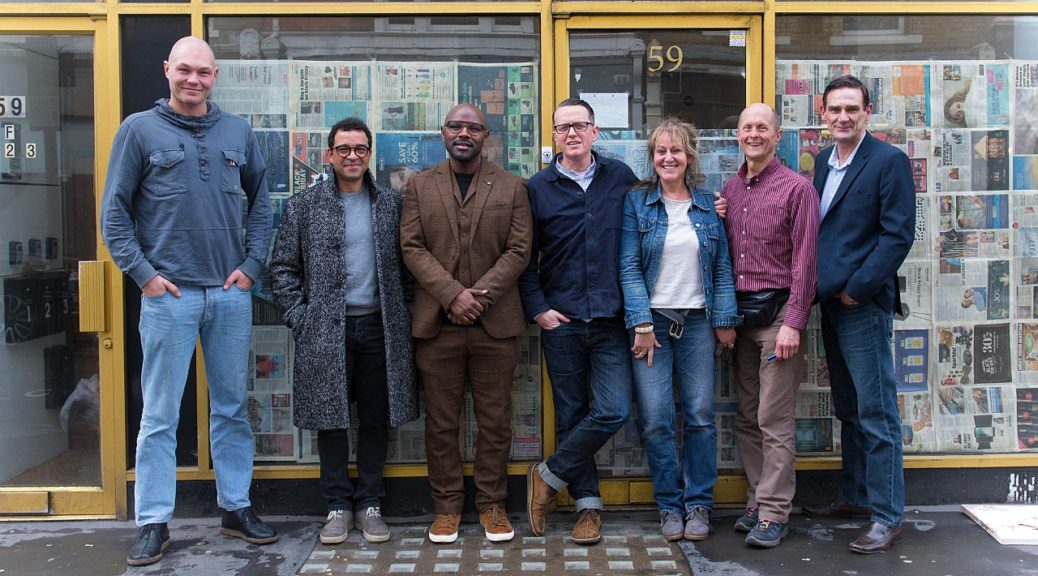


 Beyond Barriers