Understanding why people commit crimes is essential for building effective rehabilitation programs and reducing reoffending. At the heart of this work lies the concept of criminogenic needs—the dynamic factors that drive criminal behavior. Unlike fixed characteristics such as age or criminal history, criminogenic needs can be changed through targeted, evidence-based interventions. Because of this, they play a crucial role in shaping modern correctional practice and public safety strategies.
What Are Criminogenic Needs?
Criminogenic needs are dynamic risk factors—areas of a person’s life, behavior, or mindset that increase the likelihood of criminal activity and can be improved through intervention. These include substance misuse, negative peer associations, or antisocial attitudes. When these factors are present, an individual is more likely to offend; when they are addressed, the risk of reoffending decreases.
This makes criminogenic needs especially important within the criminal justice system. While static risk factors such as past convictions or early exposure to crime can predict future behavior, they cannot be changed. Criminogenic needs, however, offer an actionable pathway toward rehabilitation.
Key Characteristics of Criminogenic Needs
Criminogenic needs stand out because they influence criminal behavior directly, are changeable through targeted treatment or support, provide clear intervention points for reducing reoffending, and guide individualized rehabilitation plans. By focusing on these dynamic areas, practitioners can help individuals build the skills, habits, and supports necessary to avoid future criminal involvement.
Major Categories of Criminogenic Needs
Antisocial Attitudes and Beliefs
Holding beliefs that support or justify criminal behavior – such as hostility toward authority, lack of empathy, or rationalizations for wrongdoing – significantly increases the likelihood of reoffending.
Antisocial Peer Associations
Spending time with individuals engaged in criminal or high-risk activities reinforces harmful behaviors and normalizes offending.
Substance Abuse
Addiction or heavy substance use can impair judgment, fuel risky behavior, and drive individuals to commit crimes to sustain their habits.
Family and Relationship Problems
Dysfunctional family environments, exposure to criminal role models, lack of support, or poor supervision can contribute to criminal involvement.
Education and Employment Challenges
Low educational attainment, a history of job instability, or lack of employable skills can create financial strain and leave individuals with unstructured time, both of which increase the risk of offending.
Limited Prosocial Leisure Activities
When individuals lack healthy and meaningful ways to spend their time, they may drift toward risky or illegal activities.
Behavioral and Personality Traits
Impulsivity, poor problem-solving skills, aggression, and difficulty managing emotions increase the likelihood of criminal acts.
How Criminogenic Needs Are Identified
Professionals identify criminogenic needs using structured, validated assessment tools. These instruments evaluate a person’s attitudes, behavioral patterns, life circumstances, and history to provide a clear picture of their risk level and intervention needs. The process often includes interviews, reviews of personal and criminal history, analysis of social relationships and substance use, and assessments of thinking patterns and decision-making. These tools promote consistency and reduce reliance on subjective judgment.
Why Understanding Criminogenic Needs Matters
Focusing on criminogenic needs is fundamental to effective rehabilitation. By targeting the root causes of criminal behavior, interventions can reduce reoffending, promote long-term behavioral change, improve public safety, ensure efficient use of resources, and support individualized case planning. Rather than applying general or one-size-fits-all responses, professionals can tailor programs such as cognitive-behavioral therapy, substance abuse treatment, employment support, or relationship counseling to the areas that matter most.
Conclusion
Criminogenic needs provide a roadmap for meaningful change. By identifying and addressing the dynamic factors that contribute to criminal behavior, the criminal justice system can better support individuals in building safer, healthier lives while reducing the risk of reoffending. Understanding these needs is crucial for effective, humane, and evidence-based rehabilitation.
The concept of “self” is essential in social work practice. Yet, there is no universal agreement on what “self” means, leading to challenges in applying and teaching “use of self.” This term refers to the ways social workers use their personalities, insights, and emotional responses to engage with clients. The article seeks to define “self” within a theoretical framework that social workers can rely on for effective practice.
Theories of “Self” in Developmental Psychology
Trevithick delves into infant psychological development to explain how a sense of self emerges. The theories examined include:
Bowlby’s Attachment Theory: Describes “internal working models” formed in early caregiver relationships, shaping individuals’ future attachments and self-perceptions.
Feminist Perspectives on Gendered Self: Feminist theories argue that identity formation is influenced by societal roles, often creating distinct gendered expectations and identities for boys and girls.
Psycho-Social Development Models: Several models (e.g., Erikson’s stages of psycho-social development, Piaget’s cognitive development stages) view human development as a series of stages shaped by relationships and experiences, each contributing to self-identity.
Core Concepts of Self
The “self” can be described with various characteristics:
Core vs. Adaptive Self: The “core self” is a stable inner identity, while the “adaptive self” reflects how individuals adjust to different contexts.
Public and Private Self: Some aspects of “self” are public (how one behaves socially), while others are private, more intimate, and inner-directed.
True and False Self: Introduced by Winnicott, the “true self” represents one’s authentic nature, while the “false self” is a defensive response to protect the “true self” in adverse environments.
Bowlby’s Internal Working Models
These models are mental frameworks developed from early experiences that guide expectations in future relationships. For social workers, understanding their own internal working models, as well as those of clients, helps create more supportive interactions.
Non-Verbal Communication in Social Work
The article highlights the importance of non-verbal cues in social work, which often reveal underlying emotions and states. Practitioners should be adept at reading body language, tone, and expressions to understand clients better. This skill enhances the “use of self” by allowing social workers to respond empathetically and intuitively.
Self-Awareness and Reflexivity
Self-awareness is fundamental in the “use of self,” enabling practitioners to recognize their reactions, biases, and emotions. This awareness aids social workers in maintaining objectivity and empathy, vital for effective client interactions. Trevithick emphasizes that self-awareness should be continuously cultivated through reflection, emotional honesty, and a “curious exploration of self.”
Developing a Coherent Framework for “Use of Self”
Trevithick proposes a theoretical framework linking three elements:
Internal Working Models: Practitioners should recognize how these models influence their reactions and interactions.
Communication Theory: Understanding non-verbal cues enriches the relational dynamics of social work.
Self-Awareness: Reflecting on one’s behavior, beliefs, and emotions is key to developing a responsive and ethical practice.
Conclusion
The article emphasizes that to apply “use of self” effectively, social workers need a coherent framework grounded in psychological theories, communication skills, and self-awareness. This approach fosters genuine connections and therapeutic relationships in social work, highlighting the profession’s relational essence and commitment to client-centered care.
Strengths-based approaches (SBAs) in social work represent a significant shift from traditional models that often focus on deficits and needs. Instead, SBAs prioritize the inherent strengths, assets, and capacities of individuals, families, and communities. This philosophical and practical approach encourages empowerment, resilience, and co-production, aiming to improve well-being and foster independence. Emerging prominently after the implementation of the Care Act 2014 in England, SBAs have become a central framework for adult social care, emphasizing personal well-being and outcomes-focused practices. This article explores the theoretical foundations, implementation strategies, challenges, and impacts of SBAs, drawing on findings from a comprehensive study conducted between 2020 and 2021.
The theoretical underpinning of SBAs lies in a salutogenic perspective, which prioritizes health and capacity over pathology and deficiency. Saleebey’s seminal work in 2009 emphasized focusing on the strengths and resources available to individuals rather than their problems. This approach aligns with the values of self-determination and human resilience, urging practitioners to view individuals as active agents capable of participating in their own care. Central to this perspective is the belief that by identifying and leveraging existing strengths—whether within individuals, their communities, or their broader networks—greater autonomy, independence, and long-term well-being can be achieved.
In practice, SBAs have been embraced by many local authorities in England as part of their adult social care strategies. The study referenced here used a two-stage design to understand how SBAs are being implemented and what outcomes they generate. The first stage involved an online survey completed by 32 social care practitioners, including social workers, managers, and commissioners. The second stage comprised in-depth interviews with ten participants from the survey cohort, allowing for nuanced insights into the practical application of SBAs.
Implementation of SBAs varied widely across different settings, from mental health services to safeguarding teams and community-led support initiatives. Many practitioners employed specific models, such as the “Three Conversations” approach, which focuses on listening, intensive work, and building a better life for service users. However, most respondents reported adapting these models to fit their local context, creating hybrid frameworks tailored to organizational needs and individual circumstances. For some, SBAs were not confined to a specific method or toolkit but represented an overarching ethos influencing all aspects of practice, from policy formulation to frontline interactions.
Training played a vital role in the adoption of SBAs, equipping practitioners with the skills and knowledge required to integrate these principles into their work. While many participants expressed satisfaction with the training they received, others noted that it often reiterated existing practices rather than introducing genuinely innovative concepts. This reflects a broader challenge in conceptualizing SBAs, as many practitioners felt they were already applying similar principles under other frameworks, such as person-centered or personalized care. The lack of a clear, distinctive definition of SBAs sometimes led to confusion about their unique contributions to social work.
The impact of SBAs on service users has been overwhelmingly positive, fostering a sense of control, engagement, and hope. By emphasizing strengths rather than deficiencies, SBAs help individuals feel valued and empowered, encouraging active participation in managing their own care. For many, this approach has led to improved well-being, greater trust in social care services, and enhanced independence. Community-level benefits have also been observed, with stronger relationships, better support for carers, and increased utilization of local resources contributing to a more holistic care environment.
Social care practitioners themselves reported significant benefits from adopting SBAs. Many felt a renewed sense of purpose and professional identity, as the approach allowed them to move beyond procedural tasks and focus on meaningful, person-centered interactions. This shift not only improved their job satisfaction but also fostered creativity and autonomy, enabling them to explore innovative solutions to complex problems. However, these positive outcomes were not universal. Some practitioners experienced increased anxiety due to the heightened responsibility and autonomy required by SBAs, particularly when operating in resource-constrained environments. The lack of sufficient managerial support or reassurance compounded these challenges, underscoring the need for robust organizational structures to support SBA implementation.
Organizational processes have also been significantly influenced by SBAs, with many local authorities streamlining bureaucratic systems to align with the ethos of the approach. Simplified assessment forms, reduced paperwork, and more efficient triaging systems have not only saved time but also improved the quality of interactions between practitioners and service users. For example, shifting the focus from procedural compliance to meaningful conversations has enhanced the immediacy and relevance of care provided at the first point of contact. Nevertheless, these systemic changes often required significant restructuring and resource investment, posing challenges for organizations operating under financial constraints.
Despite the many benefits of SBAs, their implementation is not without challenges. Resource limitations, both in terms of funding and workforce capacity, emerged as a critical barrier. Many practitioners found it difficult to consistently apply SBA principles in the face of high workloads and limited time for in-depth assessments. Additionally, existing financial and commissioning systems often conflicted with the ethos of SBAs, requiring practitioners to adapt or compromise their approaches to meet organizational requirements. The COVID-19 pandemic exacerbated these issues, highlighting the fragility of community resources and the increasing demands on social care services.
A key area of concern is the potential for SBAs to inadvertently place undue responsibility on individuals, particularly in cases where systemic or structural barriers limit their capacity to act on their strengths. For instance, emphasizing personal resilience without addressing broader social inequalities risks alienating or further marginalizing vulnerable individuals. Practitioners also noted that not all service users were receptive to the SBA ethos, with some preferring more traditional, directive forms of support. These challenges highlight the need for a nuanced application of SBAs, balancing individual empowerment with systemic support and structural change.
Looking ahead, the future of SBAs in social work depends on addressing these challenges and building a stronger evidence base for their effectiveness. While qualitative data from practitioners underscores the transformative potential of SBAs, robust quantitative evaluations are needed to capture their full impact. Engaging directly with service users and their carers will also be crucial in understanding how these approaches intersect with lived experiences and contribute to long-term well-being. Policymakers must ensure that sufficient resources and systemic support are available to sustain the adoption of SBAs, recognizing their potential to reshape social work practice and improve outcomes for all stakeholders.
Social work is often associated with helping individuals and families who seek help and support voluntarily, motivated by their own recognition of problems and desire for change. However, a significant proportion of social work practice involves involuntary clients, individuals whose engagement with social workers is mandated or influenced by legal, institutional, or external pressures (Wilkinson, Smith & Gallaher, 2010; Smith, 2020). These clients include families involved in child protection, offenders in the criminal justice system(CJS), people with mental health conditions under compulsory treatment, or young people who are referred due to truancy or behavioural issues.
Working with involuntary clients presents a unique set of challenges for practitioners. They may resist intervention, lack trust in professionals, or deny that any problem exists. The power imbalance between worker and client is often sharper than in voluntary relationships, as the worker may hold statutory authority and the ability to enforce compliance. As a result, social workers must balance legal responsibilities with ethical principles of respect, empathy, and empowerment.
Defining Involuntary Clients
The term “involuntary client” describes individuals who engage with social workers under compulsion or pressure, rather than through free choice. Wilkinson, Smith and Gallaher (2010) distinguish between:
Mandated clients: those compelled to work with practitioners due to legal mandates, such as offenders on probation or families in child protection investigations.
Non-voluntary clients: those who engage due to external pressure from institutions, family, or circumstances, for example, students referred for persistent non-attendance at school.
Trotter, Rooney and Rooney (2020) argue that these categories exist along a continuum between voluntary and involuntary engagement. While some clients may be entirely mandated, others may initially resist but later engage willingly once trust is established. Recognising this spectrum is essential for practitioners, as it underlines the potential for movement from resistance to collaboration.
Challenges in Working with Involuntary Clients
Social work with involuntary clients is fundamentally complex. De Jong and Berg (2001) highlight that these relationships emerge from broader political and professional ideologies that define some individuals as needing surveillance or compulsory intervention. This places social workers in positions of power, compelled to enforce compliance while simultaneously attempting to build rapport.
Smith (2020) argues that traditional social work methods—such as active listening and client-led problem identification—are often insufficient in involuntary contexts. Instead, the work becomes more relational and adaptive, requiring practitioners to navigate hostility, denial, or mistrust. Engagement is less a linear process and more an art of improvisation, where workers respond to cues and shifting circumstances while prioritising relationship-building.
Key challenges include:
Resistance and reluctance: clients may refuse to engage, deny problems, or comply superficially.
Mistrust: many clients have negative past experiences with authority or institutions, making them sceptical of workers’ intentions.
Conflicting agendas: clients may prioritise different outcomes/ goals from those mandated by law or agency policy.
Time pressure: bureaucratic demands may conflict with the time required to build authentic relationships.
These challenges demand innovative, flexible, and ethically sensitive approaches.
Engagement is the foundation for effective work with involuntary clients. Jacobsen (2013) identifies four dimensions of engagement:
Receptivity – the client’s openness to recognising problems and accepting help.
Expectancy – belief in the possibility of benefit from intervention.
Investment – willingness to take responsibility for their role in the enagement/ treatment.
Working relationship – mutual trust, fairness, and open communication between worker and client.
Resistance, reluctance, and mistrust often undermine engagement. However, Jacobsen argues that motivation can be enhanced by support networks and by workers adopting a person-centred approach. Similarly, Smith (2020) emphasises recognition—treating clients with humanity and respect—as the starting point for engagement. Trust, built gradually, is fundamental to overcoming initial barriers. Workers may need to set aside their rigid timetables, acknowledge mistakes, and demonstrate authenticity to establish credibility.
For example, in child protection, a parent accused of neglect may initially view the social worker as a concern. However, consistent honesty, empathy, and transparency—such as acknowledging the parent’s fears while explaining the legal requirements—can slowly shift the relationship from hostility to provisional collaboration.
Motivational interviewing (MI) provides a structured yet flexible approach to working with ambivalence. Based on the stages of change—precontemplation, contemplation, preparation, action, maintenance, and relapse—MI recognises that clients may not be ready for change at the outset (Jacobsen, 2013). For involuntary clients, MI techniques such as exploring discrepancies, affirming autonomy, and reinforcing small successes can increase engagement and commitment.
For instance, an offender mandated to attend anger management may initially deny having a problem. Through MI, the social worker might highlight inconsistencies between the client’s stated desire for stable relationships and their aggressive behaviours, encouraging self-reflection without imposing judgement.
Solution-Focused Approaches
De Jong and Berg (2001) propose a solution-focused model, treating clients as experts in their own lives. This involves asking clients what they believe the agency expects of them, affirming their strengths, and collaboratively identifying strategies. This approach can empower clients who feel stripped of control by external mandates, giving them agency within the constraints of the system.
Cognitive-behavioural strategies are increasingly used with involuntary clients, particularly in criminal justice. These involve identifying irrational or harmful thought patterns and promoting pro-social alternatives (Trotter, Rooney & Rooney, 2020). Workers can model desired behaviours, reinforce positive change, and respectfully challenge harmful thinking.
Trotter’s Four Principles
Trotter (2006) outlines four principles for effective practice:
Role clarification – being transparent about the worker’s dual role as helper and authority figure, clarifying negotiable and non-negotiable aspects, and explaining confidentiality.
Pro-social modelling and reinforcement – promoting and rewarding constructive behaviours while discouraging harmful ones.
Problem-solving – collaboratively identifying, ranking, and addressing problems with achievable goals and regular review.
Relationship – maintaining empathy, optimism, honesty, and appropriate humour to foster trust.
These principles emphasise the balance between authority and empathy, accountability and support.
Good Practice Strategies
The Good Practice Guide developed in Scotland (Wilkinson, Smith & Gallaher, 2010) offers practical strategies for engaging involuntary clients, many of which remain highly relevant:
Building relationships: show humanity by sharing common interests or going the extra mile.
Trust-building: be consistent, keep promises, apologise when necessary.
Persistence and patience: recognise that progress is slow and requires flexibility.
Clear communication: explain roles, expectations, and consequences transparently.
Support for workers: avoid burnout by seeking peer support and resisting bureaucratic box-ticking.
These strategies highlight that effective practice is not only about methods but also about the personal qualities and resilience of the social worker.
Ethical Considerations
Working with involuntary clients raises profound ethical questions.
Power and authority: The worker’s statutory authority can create fear, mistrust, and resistance. Ethical practice requires transparency about power and efforts to minimise coercion where possible.
Autonomy vs protection: Clients may resist interventions designed to protect themselves or others. Social workers must navigate the tension between respecting autonomy and fulfilling legal duties.
Respect and dignity: Regardless of their circumstances, involuntary clients deserve recognition of their humanity (Smith, 2020). Small acts of respect—listening, apologising, validating experiences—can counteract the dehumanisation often felt by these clients.
Cultural sensitivity: Involuntary clients may come from marginalised communities disproportionately subject to surveillance and intervention. Workers must be mindful of systemic inequalities and avoid reinforcing oppression.
For example, a young person from a minority ethnic background in the youth justice system may view intervention as yet another example of systemic bias. The social worker must acknowledge these perceptions and aim to build trust while fulfilling statutory responsibilities.
Application to Practice
Child Protection
Parents investigated for neglect often experience shame, anger, and fear. They may resist workers’ involvement, perceiving them as threats to family unity. Building trust requires clear communication about the purpose of intervention, acknowledgment of parents’ strengths, and practical support—such as advocacy for housing or financial aid—alongside risk assessment.
Criminal Justice
Offenders on probation often demonstrate resistance, minimisation, or hostility. Using Trotter’s principles, workers can clarify roles, reinforce pro-social behaviours (e.g., punctuality, honesty), and use collaborative problem-solving to address criminogenic needs. Humour, empathy, and respectful challenge can help shift clients from compliance to genuine engagement.
Mental Health
Clients subject to compulsory treatment orders may mistrust professionals due to past (negative) experiences. Engagement requires recognising clients’ perspectives, involving them in care planning where possible, and validating their autonomy within legal constraints. Patience and consistency are crucial, as mistrust may take time to overcome.
In each context, the social worker must balance legal authority with relational ethics, adapting approaches to each individual circumstances.
Conclusion
Working with involuntary clients is among the most challenging yet essential aspects of social work practice. These clients often engage reluctantly, under compulsion or pressure, and bring with them mistrust, resistance, and conflicting agendas. However, effective practice is possible when social workers adopt approaches that combine clarity of role, respect for autonomy, pro-social modelling, and collaborative problem-solving.
Theories such as motivational interviewing and solution-focused practice provide useful frameworks, while Trotter’s principles and the Good Practice Guide offer practical strategies. Above all, successful engagement depends on relationships characterised by recognition, trust, and respect.
The ethical dilemmas of authority, autonomy, and systemic inequality require constant reflection. Social workers must strive to balance their statutory duties with their professional commitment to empowerment and justice. While progress may be slow and messy, the potential for positive change remains significant.
Ultimately, the work with involuntary clients exemplifies the dual nature of social work: at once constrained by law and bureaucracy, yet grounded in human connection, empathy, and the belief in people’s capacity for change.
Understanding adolescent health from a social work perspective requires a multidimensional appreciation of the complex and dynamic changes occurring during adolescence, as well as the systemic factors that influence these changes. Adolescents, typically defined as individuals between the ages of 10 and 19, undergo significant physical, emotional, psychological, and social transformations that shape their development and identity. Social workers engaging with adolescents must be equipped to recognize these transitions and respond holistically to the needs that arise during this critical period.
The adolescent stage is marked by biological changes such as puberty, which initiate physical growth spurts and the development of secondary sexual characteristics. Alongside these bodily changes, adolescents experience cognitive and emotional growth, characterized by increased abstract thinking, self-awareness, and the formation of identity. These developmental changes bring about a need for autonomy and a desire for peer acceptance, often leading to conflicts with parental authority and experimentation with new behaviors and roles. Social workers must therefore understand adolescence not as a problem to be managed, but as a normal and essential developmental stage that, while challenging, presents opportunities for growth and resilience.
Stages of Adolescent Development
Adolescence is commonly divided into three distinct stages: early adolescence (10–13 years), middle adolescence (14–16 years), and late adolescence (17–19 years). Each stage presents specific developmental tasks and challenges. In early adolescence, individuals experience the onset of puberty, resulting in rapid physical growth and hormonal changes. This stage is often marked by increased self-consciousness, heightened sensitivity to peer influence, and an emerging sense of identity. During middle adolescence, cognitive development advances, allowing for more complex reasoning, abstract thinking, and questioning of authority. Emotional intensity peaks, and adolescents often strive for greater independence from parental control while seeking approval from peers. By late adolescence, individuals typically gain greater emotional stability, clearer identity formation, and improved decision-making abilities. This period also involves preparation for adult roles, including vocational planning and the establishment of intimate relationships. Social workers must tailor their approaches according to the developmental needs and cognitive maturity of adolescents in each stage, ensuring interventions are age-appropriate and supportive of healthy growth.
In understanding adolescent health, it is essential to contextualize it within broader determinants. The family, school, peer group, media, and community each play a critical role in shaping an adolescent’s behavior and health outcomes. For instance, family structures and parenting styles can have profound effects on adolescents’ emotional well-being and behavior. Supportive family environments tend to encourage healthy development, while families experiencing conflict, neglect, or abuse can contribute to poor outcomes such as substance abuse, depression, or delinquent behavior. Similarly, the school environment can either support or hinder adolescents’ development. Schools that foster inclusivity, participation, and a sense of belonging can act as protective factors, whereas those marked by bullying, academic pressure, or neglect may exacerbate vulnerabilities.
Peers also become increasingly influential during adolescence. Peer groups offer adolescents the opportunity to form social identities and practice autonomy. While positive peer influence can promote healthy behaviors and reinforce social norms, negative peer influence may lead to risk-taking behaviors such as smoking, drinking, or unprotected sex. Media and technology, especially social media, also significantly impact adolescents’ mental and emotional health. The constant exposure to idealized lifestyles, peer comparison, and online bullying can increase stress, anxiety, and depressive symptoms. Social workers must therefore consider these social determinants in their interventions and work collaboratively with families, schools, and communities to promote adolescent health.
One of the significant areas of concern in adolescent health is mental health. Adolescents are particularly vulnerable to mental health issues such as anxiety, depression, and self-harm, often exacerbated by academic pressure, social isolation, or identity crises. Mental health challenges in adolescence frequently go unrecognized or untreated due to stigma, lack of awareness, or limited access to mental health services. Social workers play a critical role in early identification, prevention, and intervention by providing counseling, advocating for supportive school environments, and linking adolescents with appropriate mental health services. Building trusting relationships with adolescents is essential, as it encourages openness and helps in addressing underlying issues in a nonjudgmental manner.
Another central issue is reproductive and sexual health. Adolescents often lack accurate knowledge about sexual and reproductive health, resulting in early pregnancies, sexually transmitted infections (STIs), and unsafe abortions. Inadequate sex education and cultural taboos further contribute to misinformation and risky behaviors. Social workers can provide adolescents with age-appropriate, culturally sensitive education that empowers them to make informed decisions about their bodies and relationships. Promoting open communication about sexuality, ensuring access to contraceptives, and addressing gender-based violence are key strategies to improve adolescent reproductive health.
Substance use is another prevalent concern during adolescence. The desire for experimentation, peer influence, and coping with stress or trauma can lead adolescents to use tobacco, alcohol, or drugs. Early initiation of substance use is associated with long-term health problems and social consequences. Social workers must adopt a preventive approach that involves raising awareness about the risks of substance use, building adolescents’ coping skills, and supporting families in creating protective environments. For adolescents already engaging in substance use, harm reduction strategies and rehabilitation services must be made accessible and non-punitive.
Nutrition and physical health also play a crucial role in adolescent development. Adolescents have increased nutritional needs due to rapid growth, but they often adopt poor dietary habits influenced by peer norms, media, and lifestyle changes. Malnutrition—both undernutrition and obesity—can have lasting impacts on health, affecting physical development, academic performance, and self-esteem. Encouraging healthy eating habits, regular physical activity, and body positivity is vital. Social workers can contribute by organizing community-based health programs, advocating for adolescent-friendly health services, and engaging with schools to ensure balanced nutrition and physical education.
From a social work perspective, promoting adolescent health requires a rights-based, strengths-focused approach. Adolescents are not merely passive recipients of care; they are active agents in their development. Social workers must empower adolescents to voice their concerns, participate in decisions affecting them, and access opportunities that nurture their potential. This includes advocating for adolescent-friendly policies, improving access to education and health care, and addressing systemic inequalities that marginalize certain groups of adolescents, such as those with disabilities, LGBTQ+ youth, or those in conflict with the law.
Cultural sensitivity and ethical practice are fundamental to effective social work with adolescents. Interventions must respect adolescents’ dignity, privacy, and autonomy while recognizing the role of cultural norms and values in shaping behaviors. At the same time, social workers must challenge harmful practices such as child marriage, female genital mutilation, or honor-based violence. Balancing cultural competence with advocacy for adolescent rights is a delicate but essential task.
In conclusion, understanding adolescent health through a social work lens entails a comprehensive appreciation of developmental, psychological, social, and systemic factors that influence health outcomes. Social workers must adopt a holistic, preventive, and participatory approach that addresses the unique challenges adolescents face while fostering resilience and empowerment. By working in partnership with families, schools, communities, and policy-makers, social workers can contribute significantly to the promotion of adolescent health and well-being, ensuring that this critical phase of life becomes a foundation for a healthy and productive adulthood.
Human motivation has long been a central topic in psychological research, particularly in understanding how people initiate and persist in goal-directed behaviors. Most contemporary motivation theories suggest that individuals engage in behaviors based on their expected outcomes. However, self-determination theory (SDT) offers a more nuanced perspective by emphasizing the role of innate psychological needs—competence, autonomy, and relatedness—in shaping motivation, goal pursuit, and overall well-being. This article provides a comprehensive discussion of SDT and its implications for human behavior.
The Concept of Needs in Motivation Theory
Early Needs Theories
Historically, the concept of needs has played a significant role in theories of motivation. Early approaches, such as those proposed by Hull (1943), focused on physiological needs that create drive states prompting behavior. However, this approach struggled to account for behaviors like curiosity and play, which are not directly linked to physiological drives. Murray (1938) introduced psychological needs as acquired motives rather than innate necessities, broadening the scope but failing to define a core set of needs essential for psychological well-being.
Needs theories in psychology evolved further with the work of Maslow (1943), who proposed a hierarchy of needs that move from basic physiological requirements to higher-order psychological and self-actualization needs. While this model provided valuable insights, SDT refined the concept by emphasizing that competence, autonomy, and relatedness are fundamental to well-being and not merely steps in a hierarchy.
The Nature of Needs in SDT
In contrast to learned motives, SDT posits that competence, relatedness, and autonomy are fundamental psychological needs that are universal across cultures and individuals. These needs are not learned but rather inherent in human nature and essential for optimal psychological growth and well-being. The satisfaction of these needs fosters effective functioning and well-being, while their thwarting leads to negative consequences, including diminished motivation and psychological distress.
The need for competence involves feeling effective and capable in one’s activities, striving to master tasks, and achieving desired outcomes. Autonomy refers to the sense of volition and self-governance, where individuals feel they are the originators of their actions rather than being externally controlled. Relatedness concerns the need to establish meaningful connections with others, feeling supported, valued, and cared for in social relationships.
The Role of Psychological Needs in Goal Pursuit
Differentiating Goal Content and Regulatory Processes
SDT differentiates between the content of goals and the processes by which goals are pursued. Goal contents refer to what individuals seek to attain, while regulatory processes pertain to how these goals are pursued. SDT suggests that different types of goals and regulatory styles influence motivation and well-being by differentially satisfying basic psychological needs.
For instance, pursuing goals based on personal growth, meaningful relationships, and health (intrinsic goals) tends to satisfy psychological needs, leading to greater well-being. Conversely, pursuing goals driven by external rewards such as wealth, fame, or status (extrinsic goals) can undermine well-being if they fail to meet these core psychological needs.
Intrinsic Motivation and Psychological Needs
Intrinsic motivation, characterized by engaging in activities for their inherent enjoyment, is strongly linked to competence and autonomy. Research has demonstrated that intrinsic motivation is enhanced in environments that provide choice, positive feedback, and opportunities for self-expression. When individuals engage in tasks they find interesting and fulfilling, their motivation is self-sustained and leads to creativity, persistence, and high-quality performance.
Conversely, extrinsic rewards, surveillance, and external pressure can undermine intrinsic motivation by reducing the perception of autonomy. Studies have shown that offering rewards for activities that individuals already find enjoyable can decrease their intrinsic interest, as external incentives shift the focus from internal satisfaction to external gain (Deci, 1971).
Internalization and the Integration of Extrinsic Motivation
Internalization, the process by which individuals adopt external regulations as their own, is another crucial aspect of SDT. This process varies in degree, ranging from external regulation (controlled by external rewards and punishments) to integrated regulation (where behaviors align with one’s core values and sense of self). The successful internalization of extrinsic motivations depends on the social environment’s ability to support autonomy, competence, and relatedness.
Individuals who internalize regulations effectively experience greater personal coherence and authenticity. They perform extrinsically motivated behaviors willingly because they find them personally valuable rather than feeling coerced. This process leads to more sustainable motivation, higher engagement, and greater psychological well-being.
The Impact of Social Context on Motivation
Autonomy-Supportive vs. Controlling Environments
Social environments significantly influence whether individuals experience their goal pursuits as autonomous or controlled. Autonomy-supportive environments foster self-determination by providing choice, acknowledging individuals’ perspectives, and minimizing external control. Such environments enhance intrinsic motivation, engagement, and psychological well-being. In contrast, controlling environments, characterized by pressure and contingent rewards, lead to controlled motivation, which can result in anxiety, diminished performance, and lower well-being.
Research in Educational and Organizational Contexts
Research in educational and organizational settings supports these claims. Studies have shown that students who experience autonomy-supportive teaching exhibit greater engagement, conceptual learning, and persistence compared to those in controlling environments. Teachers who encourage student participation, provide meaningful choices, and minimize coercion help foster greater intrinsic motivation and better learning outcomes.
Similarly, in the workplace, autonomy-supportive leadership has been linked to higher job satisfaction, performance, and psychological health. Employees who perceive their managers as supportive of their autonomy report higher levels of engagement, creativity, and overall job satisfaction compared to those who experience micromanagement and excessive external pressure.
Goal Content and Psychological Well-Being
Intrinsic vs. Extrinsic Goals
Beyond the distinction between intrinsic and extrinsic motivation, SDT also considers the nature of the goals themselves. Goals can be classified as intrinsic (e.g., personal growth, meaningful relationships) or extrinsic (e.g., financial success, fame). Research suggests that pursuing intrinsic goals leads to greater well-being and fulfillment, as these goals inherently satisfy psychological needs. In contrast, extrinsic goals are less likely to provide lasting satisfaction and can even contribute to stress and decreased well-being.
The Role of Need Satisfaction in Well-Being
The satisfaction of basic psychological needs has been shown to predict greater well-being, resilience, and overall life satisfaction. When individuals pursue goals that align with their innate psychological needs, they experience greater personal fulfillment and psychological health. On the other hand, when goal pursuits are driven by external pressures and lack personal endorsement, individuals are more likely to experience stress, burnout, and dissatisfaction.
Studies have also highlighted the negative consequences of need thwarting, where individuals feel controlled, isolated, or incompetent. Such experiences can lead to decreased intrinsic motivation, emotional distress, and increased susceptibility to anxiety and depression.
Conclusion
SDT provides a robust framework for understanding human motivation by emphasizing the role of psychological needs in goal pursuit. The theory highlights the importance of both the “what” (goal content) and “why” (regulatory processes) of motivation, demonstrating that optimal functioning and well-being depend on the satisfaction of competence, autonomy, and relatedness. By fostering environments that support these needs, individuals and institutions can enhance motivation, performance, and overall psychological health. Understanding SDT’s principles can lead to better educational practices, workplace policies, and social relationships that empower individuals to thrive.
Hope is a fundamental and dynamic force within social work practice, offering both clients and practitioners a means to navigate adversity and envision a better future. It serves as a crucial psychological and emotional mechanism that allows individuals to maintain a sense of purpose and direction in the face of hardship. Social work, as a discipline, fundamentally aligns with the promotion of hope, emphasizing empowerment, self-determination, and resilience. Despite its frequent mention in social work literature, the concept of hope remains ambiguously defined and under-theorized. The need to articulate a clearer framework for understanding and applying hope in social work practice is essential, as it can significantly influence intervention strategies and client outcomes. This article explores the role of hope in social work, analyzing its conceptual framework and practical applications while addressing its implications for research, direct practice, and professional education.
The nature of hope is multifaceted, often described as a cognitive, emotional, and relational process that enables individuals to persist through hardships. It is shaped by both intrinsic factors, such as personal experiences and beliefs, and extrinsic factors, including social support and cultural influences. While many scholars emphasize its future-oriented and rational characteristics, others highlight its role as an instinctive or spiritual force that transcends individual cognition. Psychologist C. Richard Snyder’s theory of hope identifies two key components: agency (the motivation to achieve goals) and pathways (the strategies to reach them). This theory underscores the importance of goal-setting and problem-solving in fostering hope. However, more recent perspectives emphasize that hope is not merely an individual trait but a collective force influenced by social and cultural contexts. Hope can be cultivated through communal support, shared narratives, and collective resilience, making it an integral component of social work interventions at both the individual and systemic levels.
Hope is ‘essential quality in social work’ – Collins (2015)
In the field of social work, hope serves as a transformative tool that fosters resilience, well-being, and recovery. It provides individuals with the motivation to seek help, adapt to difficult circumstances, and maintain a sense of optimism despite adversity. It is particularly significant for individuals coping with terminal illness, mental health challenges, and social marginalization. Studies have shown that instilling hope can enhance psychological resilience, reduce symptoms of anxiety and depression, and improve overall quality of life. Hope-oriented interventions have been linked to better outcomes for individuals facing extreme adversity, such as refugees, survivors of trauma, and those experiencing homelessness. Additionally, social work interventions that emphasize hope have been linked to better outcomes for refugees, trauma survivors, and individuals experiencing extreme adversity. By helping individuals find meaning and purpose, social workers can create environments where hope thrives, facilitating positive behavioral and emotional changes that contribute to long-term well-being.
Social workers operationalize hope through various relational and strengths-based practices. These approaches include role modeling, narrative therapy, group work, and solution-focused interventions that help individuals identify their strengths and set achievable goals. By fostering a hopeful perspective, social workers encourage clients to view challenges as opportunities for growth rather than insurmountable obstacles. In clinical settings, social workers often assist clients in redefining hope, particularly when facing chronic illness or disability. Rather than framing hope solely around unrealistic expectations of recovery, practitioners help clients cultivate hope in ways that align with their realities, offering reassurance without fostering denial. This nuanced approach ensures that hope remains a motivating force without becoming a source of false optimism. Through compassionate and client-centered interactions, social workers build trusting relationships that serve as the foundation for meaningful and lasting change.
From a strengths perspective, ‘a focus on the dreams, hopes, and visions of people encourages them to begin thinking subjunctively about what might be and how it might come about’ (Saleebey, 2000: 133; see also Saleebey, 2013).
Children and young people, particularly those in marginal situations, require distinct approaches to hope-building. Adolescents facing socioeconomic hardships, family instability, or mental health issues often struggle to maintain a hopeful outlook on their future. Social work research highlights that youth develop hope through social support, meaningful relationships, and engagement with their environment. By creating safe spaces where young people can explore their aspirations and strengths, social workers empower them to take control of their narratives and envision positive futures. For marginalized young people, hope often emerges through resistance and aspirations that challenge systemic oppression. Thus, social workers must navigate the complexities of hope, recognizing that it may manifest in unconventional ways, including dystopian perspectives in response to trauma and disenfranchisement. By integrating creative and culturally responsive interventions, social workers can facilitate hope-building experiences that foster self-efficacy, motivation, and resilience among young individuals who might otherwise feel powerless in their circumstances.
For social workers themselves, maintaining hope is essential to sustaining their practice. Working in environments characterized by systemic barriers, high caseloads, and emotionally taxing situations can take a toll on a practitioner’s well-being. Burnout and compassion fatigue can erode practitioners’ sense of hope, making self-care, supervision, and professional support critical components of social work. A hopeful organizational culture, coupled with a strengths-based educational framework, can reinforce social workers’ commitment to change and social justice. By fostering a professional environment that prioritizes emotional resilience and peer support, organizations can enhance social workers’ capacity to maintain their own sense of hope while empowering their clients. Additionally, reflective practices such as mindfulness, ongoing education, and engagement in social activism can help practitioners reconnect with their core values and sustain their passion for social work.
‘If we want the best for our clients, then the well-being and best interest of the workers needs to be considered … to instill hope in others one must have a sense of their own hope’ – McCarter (2007)
The conceptual framework presented in this article positions social work relationships as sites of hope. It suggests that hope is not an abstract ideal but a concrete, relational process shaped by critical reflection, cultural sensitivity, and social justice imperatives. Social work relationships provide a crucial space where individuals can explore their aspirations, build resilience, and challenge social injustices. By integrating hope into social work practice, professionals can empower individuals and communities, fostering resilience and meaningful change. Moreover, social workers must be attuned to the broader socio-political landscape, advocating for policies and practices that create equitable opportunities for hope to flourish. Recognizing the intersectionality of hope with issues such as poverty, discrimination, and trauma enables social workers to address systemic barriers while promoting individual and collective empowerment.
Social work must continue to explore and document the mechanisms through which hope operates in practice. Future research should focus on developing evidence-based strategies for nurturing hope across diverse populations and contexts. Understanding how hope interacts with factors such as socioeconomic status, cultural identity, and mental health can inform more effective and inclusive interventions. Ultimately, social work is a profession deeply intertwined with hope, and embracing this dimension can enhance its transformative potential for both practitioners and those they serve. By making hope a central component of social work theory and practice, the profession can continue to inspire positive change and empower individuals to build brighter futures.
Forensic social work has emerged as a critical and highly specialized domain, responding to the intersections of social work, mental health, and legal systems. As societal challenges such as mental illness, criminal behavior, and systemic disadvantages intertwine, this field emphasizes the need for specialized education to prepare practitioners for its complexity. A case study from Australia, published in 2016, sheds light on this vital practice area by evaluating forensic social work education and its impact on professionals working within these contested spaces.
The practice of forensic social work is deeply rooted in addressing the needs of marginalized individuals. These populations often grapple with poverty, substance abuse, mental illness, and involvement with the legal system, reflecting broader societal inequities. This context has reshaped criminality narratives, moving beyond “bad conduct” to exploring environmental and psychological factors. This shift underscores the rising demand for social workers equipped to navigate the nexus of mental health and justice systems. Forensic social work is not limited to corrections or mental health institutions; its scope extends to child protection, disability services, and addiction rehabilitation, encompassing all fields requiring navigation of nonvoluntary systems.
The origins of forensic social work in Australia align with its emphasis on advocating for vulnerable populations. The field evolved from working with incarcerated individuals and juvenile delinquents to addressing broader psychosocial issues within legal frameworks. Practitioners assess risk, recommend rehabilitation, and advocate for client well-being in a legal context that often prioritizes control over empowerment. They challenge misconceptions that equate mental illness with criminality, advocating for nuanced understandings of risk and individual circumstances.
Specialized Education and Its Role in Forensic Practice
Education is a cornerstone in preparing social workers for the complexities of forensic practice. The Monash University Master of Social Work (Forensic Studies) program, introduced in 2010, offers a case study in bridging generic social work skills with forensic-specific knowledge. This graduate program equips social workers with a deep understanding of legal systems, risk assessment, and mental health frameworks. It emphasizes integrating social work values, such as individual dignity and self-determination, into the legal and mental health systems that often dominate forensic contexts.
Study participants—social workers employed by the Victorian Institute of Forensic Mental Health (Forensicare)—highlighted the unique demands of their roles. Forensicare provides services to mentally ill offenders in secure facilities and community settings, as well as assessments for courts. These practitioners stressed that their work requires a distinct skill set, blending traditional social work practices with an acute awareness of legal structures and mental health systems. Their roles often involve advocating for clients in adversarial environments, balancing the rights of individuals with community safety.
The findings revealed that forensic social workers consider their practice to be highly specialized due to its focus on legal issues, statutory guidelines, and the integration of mental health and criminal justice concerns. This specialization requires practitioners to address complex client needs, including stigma, marginalization, and systemic challenges. They must develop strong advocacy skills and maintain collaborative relationships with external agencies, all while navigating the constraints of legal and medical models.
Challenges and Skills in Forensic Social Work
Forensic social work is characterized by its focus on risk assessment, advocacy, and addressing the unique needs of clients. Practitioners must be adept at understanding the legal and psychological factors influencing their clients while maintaining a strengths-based perspective. Study participants emphasized the importance of recognizing clients’ individuality and respecting their voices, even in the context of significant constraints. This approach often contrasts with the deficit-focused models prevalent in legal and medical systems.
The practice of forensic social work is not without its challenges. Practitioners must navigate conflicting priorities, such as advocating for clients while addressing community safety concerns. They are also tasked with bridging gaps between different professional perspectives, such as those of lawyers and medical practitioners, to ensure holistic client care. Participants in the study noted that these challenges require a high level of specialized knowledge, particularly in areas such as mental health, substance abuse, trauma, and legal frameworks.
The Utility of Advanced Forensic Social Work Education
The Monash University program was widely praised for its ability to prepare social workers for the realities of forensic practice. Study participants highlighted the program’s focus on practical applications, such as risk assessment and case management, as well as its emphasis on interdisciplinary collaboration. They also identified areas for improvement, including greater attention to cultural competency, intellectual disabilities, and community development. These additions would enhance the program’s ability to address the diverse needs of forensic clients.
The introduction of specialized education programs like the Master of Social Work (Forensic Studies) marks a significant step forward in recognizing forensic social work as a distinct and essential practice area. These programs not only provide social workers with the tools they need to navigate complex systems but also elevate the profession by acknowledging the unique contributions of forensic practitioners.
Conclusion
The study underscores the critical role of forensic social work in addressing the intersections of mental health, criminal justice, and systemic inequities. It highlights the importance of specialized education in equipping practitioners to navigate these challenges while maintaining core social work values. As the demand for forensic social work continues to grow, the development of advanced educational programs will be essential in preparing social workers to advocate for vulnerable populations and influence systemic change.
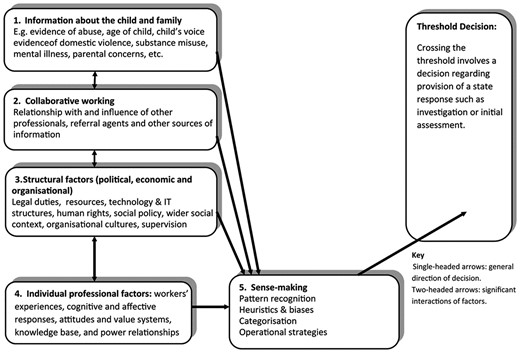
Decision-making forms a cornerstone of social work, often defined by its complexity and the necessity to navigate incomplete or conflicting information. Social workers frequently face the challenge of determining whether a situation demands intervention or meets criteria for service provision. These critical moments of judgment, often referred to as “threshold decisions,” require an intricate balancing of evidence, context, and professional judgment. This article explores the concept of threshold decisions in social work, using theoretical frameworks to deepen understanding and improve practice.
At its core, a threshold decision is a binary judgment, determining whether a case crosses a predefined line or level, such as the need for protective intervention or eligibility for services. These judgments are rarely made in isolation; they form part of a broader assessment process that involves gathering information, interpreting evidence, and aligning actions with legislative, policy, and cultural standards. The stakes are high, as these decisions often have life-altering implications for individuals, families, and communities. Transparency and consistency are crucial, ensuring accountability and fostering public trust.
Common examples of decision making at a threshold in social work are such as:
compulsory intervention regarding child protection or safeguarding vulnerable adults;
mental health emergencies and risk levels;
eligibility for a support service, and managing needs or risk within services;
need or risk factors on discharge from hospital;
criminal justice decisions regarding prison discharge or risk;
whether or not to offer a (non-mandatory) protective service;
whether action is required by the service regulator in relation to standards of practice;
entry into and transfers between services.
Threshold judgments are deeply influenced by shifting societal norms, political pressures, and resource constraints. For instance, in child welfare, the concept of “significant harm” hinges on subjective interpretations of “good enough parenting,” which vary across cultures and contexts. Similarly, in other areas like mental health or elder care, decisions are shaped by dynamic definitions of risk and need. The variability and subjectivity inherent in these decisions highlight the need for theoretical frameworks that provide clarity and structure.
Two key theoretical models illuminate the decision-making process in social work: signal detection theory and evidence accumulation theory. Signal detection theory, initially applied in fields like psychology and medicine, helps practitioners distinguish meaningful “signals” from background “noise.” In social work, this might involve identifying indicators of child abuse amidst a plethora of unrelated information. The theory emphasizes that thresholds are not static; they are influenced by individual and organizational factors, including past experiences, values, and societal expectations. Evidence accumulation theory, on the other hand, conceptualizes decision-making as a process of gathering and evaluating information until a “tipping point” is reached. This approach underscores the cumulative nature of risk assessment, where new evidence can shift the balance and trigger action.
While these models provide valuable insights, they do not fully address the sense-making process that underpins threshold judgments. Naturalistic decision-making (NDM) and heuristic approaches offer complementary perspectives. NDM focuses on how practitioners make decisions in real-world contexts characterized by complexity, time pressure, and high stakes. It emphasizes the role of intuition, experience, and mental shortcuts in navigating uncertainty. Heuristic models, derived from the concept of bounded rationality, highlight the use of simple rules or cognitive shortcuts to manage information overload and make efficient decisions. These approaches recognize the human element in decision-making, acknowledging both its strengths and vulnerabilities.
The interplay between these models reveals the multifaceted nature of threshold decisions. Signal detection and evidence accumulation theories provide a foundation for understanding how evidence is evaluated, while NDM and heuristic approaches offer insights into the cognitive and contextual factors that shape judgments. Integrating these perspectives can enhance our understanding of social work practice, enabling practitioners to navigate the complexities of threshold decisions with greater confidence and effectiveness.
The implications for practice are significant. Understanding the theoretical underpinnings of threshold decisions can improve the transparency and defensibility of judgments, fostering greater accountability and public trust. It also highlights the importance of continuous professional development, enabling social workers to refine their decision-making skills through reflection and learning. Moreover, the integration of theory into practice can inform the development of decision-support tools and training programs, enhancing the overall quality of social work services.
In conclusion, threshold decisions in social work represent a critical juncture where evidence, judgment, and context converge. By exploring theoretical frameworks such as signal detection theory, evidence accumulation theory, NDM, and heuristics, this article provides a comprehensive understanding of these decisions and their implications for practice. As social work continues to evolve in response to societal and technological changes, these insights offer a valuable foundation for advancing professional judgment and improving outcomes for those served by the profession.
Evan Senreich’s article, “A Gestalt Approach to Social Work Practice,” offers a detailed exploration of how Gestalt therapy theory can serve as a comprehensive and integrative framework for social work. By synthesizing the ecological and strengths-based perspectives central to social work, this approach aligns seamlessly with the core values of the profession, including social justice, the importance of human relationships, and respect for the dignity and worth of individuals.
Gestalt therapy, a humanistic psychotherapy developed in the mid-20th century, emerged in reaction to the limitations of psychoanalytic traditions. The founders of Gestalt therapy, including Fritz and Laura Perls and Paul Goodman, rejected the passive, hierarchical dynamic of classical psychoanalysis, instead emphasizing immediate experience, relational authenticity, and the interconnectedness of individuals and their environments. Gestalt therapy draws upon a variety of influences, such as Kurt Lewin’s field theory, Gestalt psychology, existential philosophy, and even Zen Buddhism, resulting in an approach that prioritizes self-actualization, creativity, and human potential.
Central to this framework are four key theoretical concepts that resonate deeply with contemporary social work practice: field theory, the “I-Thou” relationship, creative adjustment, and the phenomenological perspective. Each concept provides unique insights into human behavior and offers practical applications for social workers at both micro and macro levels.
Field theory, rooted in Kurt Lewin’s work, forms the foundation of Gestalt therapy’s emphasis on interconnectedness. This perspective asserts that individuals do not exist independently of their environments; rather, they are inseparable from the larger field that includes cultural, social, and environmental factors. Field theory builds upon social work’s ecological perspective by emphasizing how subjective experiences shape perceptions of reality. For example, Gestalt therapy employs the concepts of “figure” and “ground” to describe how individuals focus on specific needs or wants (the figure) within the broader context of their life experiences (the ground). Social workers are encouraged to consider these dynamics when assessing clients’ situations, ensuring that interventions address both individual needs and systemic influences.
The “I-Thou” relationship, inspired by Martin Buber’s existential philosophy, underscores the importance of authentic, mutual interactions between social workers and clients. In contrast to “I-It” relationships, which are goal-oriented and objectify the other person, “I-Thou” relationships emphasize presence, empathy, and genuine connection. This approach fosters trust and respect, enabling clients to feel truly seen and understood. Social workers practicing from an “I-Thou” perspective adopt a horizontal rather than authoritarian stance, collaborating with clients as equals. This relational authenticity aligns with social work values such as self-determination and the dignity of the individual, creating a foundation for meaningful change.
Creative adjustment, another core concept of Gestalt therapy, offers a non-pathological framework for understanding human behavior. It posits that all actions, even maladaptive ones, represent attempts to meet needs based on available resources and life history. By framing behaviors as creative adjustments, social workers can adopt a strengths-based perspective, recognizing clients’ resilience and resourcefulness. For instance, a teenager joining a gang to find belonging or a person using substances to cope with trauma can be understood as making the best possible choices within their circumstances. This perspective encourages social workers to avoid judgment and instead focus on helping clients develop new, more fulfilling ways to meet their needs.
The phenomenological perspective complements these concepts by emphasizing the importance of understanding clients’ subjective experiences. Based on Edmund Husserl’s philosophy, phenomenology rejects the notion of a single objective truth, instead asserting that each individual interprets reality uniquely. Social workers are encouraged to “bracket” their assumptions and biases, focusing instead on the client’s lived experience. This approach not only enhances empathy but also ensures that interventions are culturally responsive and client-centered.
Senreich illustrates these theoretical principles through compelling case examples that highlight their practical application. One such case involves Adam, a social worker in a psychiatric day treatment program, and Rosa, a student intern. Both were assigned to work with Lisa, a young woman diagnosed with schizophrenia. Adam, influenced by his professional training and personal background, focused on Lisa’s psychiatric symptoms, limiting their interactions to brief, task-oriented sessions. Rosa, on the other hand, approached Lisa with openness and curiosity, fostering a deeper, more authentic connection. Through this “I-Thou” relationship, Lisa began to engage more fully in the program, eventually addressing painful childhood experiences and moving toward greater independence. This example underscores how field theory, relational authenticity, and cultural humility can transform social work practice, enabling deeper client engagement and more effective interventions.
Another case highlights the consequences of failing to adopt a phenomenological approach. Yvette, a social worker in a substance abuse treatment program, struggled to connect with Peter, a gay man in recovery from cocaine and alcohol dependence. While Yvette supported Peter’s sobriety, she dismissed his preference for anonymous sexual encounters, insisting that it was unhealthy and urging him to pursue monogamous relationships. By failing to bracket her biases and explore Peter’s perspective, Yvette undermined their therapeutic alliance, leaving Peter feeling misunderstood and disengaged. This example demonstrates the critical importance of attuning to clients’ subjective realities, particularly when addressing sensitive or culturally nuanced issues.
Gestalt therapy’s applicability extends beyond individual and family practice, offering valuable insights for organizational and community work. Field theory, for example, can inform program development and policy advocacy by encouraging social workers to consider the complex interplay of cultural, economic, and political factors shaping systemic issues. Creative adjustment provides a lens for understanding how communities respond to challenges such as poverty, discrimination, or environmental crises, highlighting opportunities for collective resilience and empowerment. Additionally, the “I-Thou” relationship and phenomenological perspective can enhance collaboration among stakeholders, fostering authentic dialogue and mutual understanding.
By integrating Gestalt principles into their practice, social workers can address systemic inequalities while empowering individuals and communities to creatively adjust in ways that promote self-actualization and social justice. This holistic approach aligns with the National Association of Social Workers’ Code of Ethics, which emphasizes access to resources, equality of opportunity, and respect for human diversity.
In conclusion, Senreich’s article underscores the transformative potential of Gestalt therapy as a unifying framework for social work. Its alignment with the profession’s core values, coupled with its adaptability across diverse practice settings, makes it a powerful tool for fostering relational authenticity, systemic change, and human flourishing. By embracing the principles of field theory, “I-Thou” relationships, creative adjustment, and phenomenology, social workers can deepen their practice, enhance client outcomes, and contribute to a more just and compassionate society.






 Beyond Barriers